
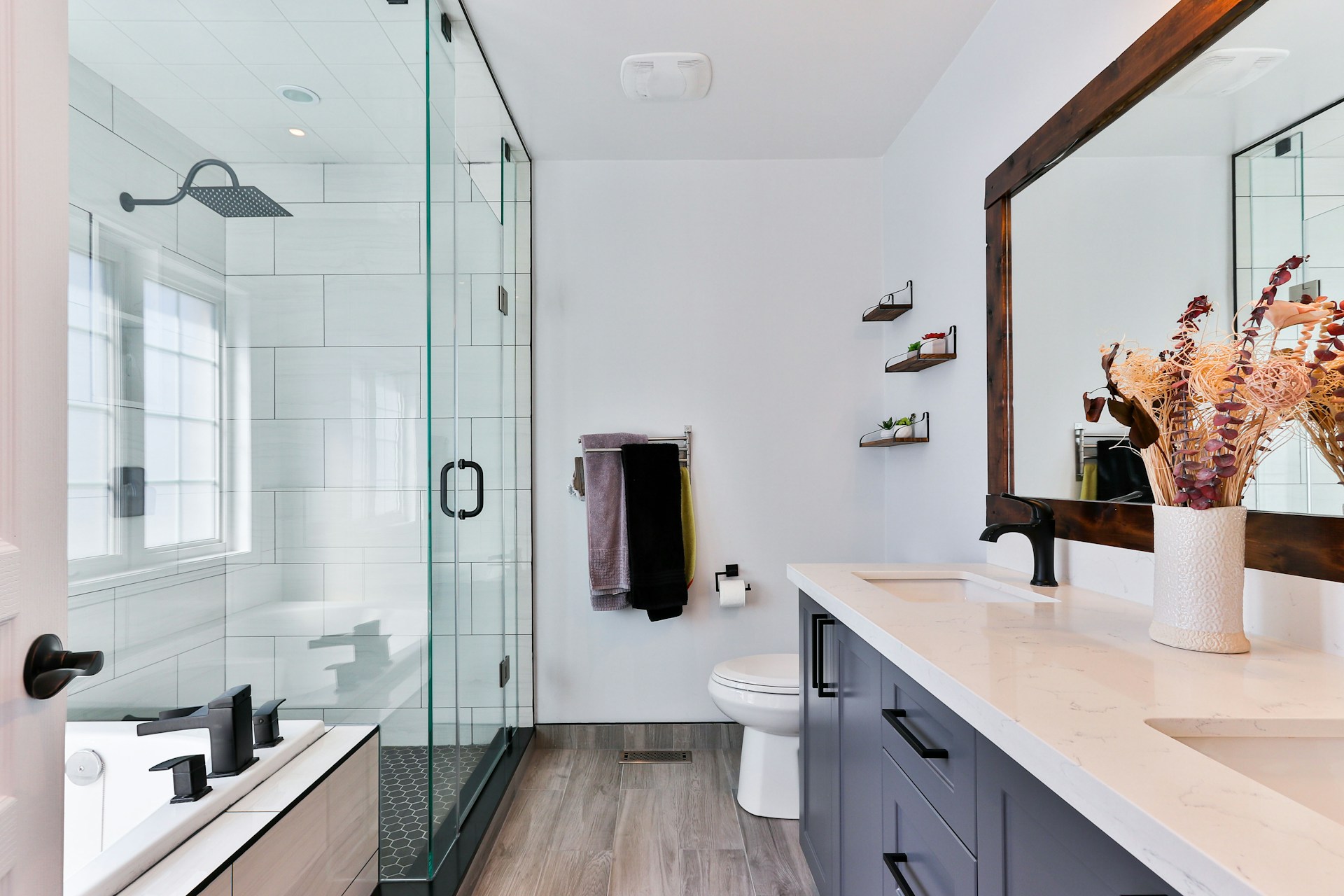
Upgrade Tips for a More Functional Bathroom

A well-designed bathroom can transform daily routines from mundane to enjoyable, but many homeowners struggle to balance style with practicality. Simple changes, when planned thoughtfully, can significantly improve both usability and comfort. The Cinnamon Hollow blog highlights how small adjustments, such as optimizing storage, upgrading fixtures, and improving lighting, can make a noticeable difference in functionality without requiring a complete overhaul. By focusing on smart, strategic upgrades, you can create a space that meets your needs while maintaining aesthetic appeal. This article delves into practical tips and ideas to help homeowners enhance their bathrooms for maximum convenience and long-term satisfaction.

Optimize Storage Solutions

cabinetOne of the biggest challenges in bathrooms is keeping items organized without cluttering surfaces. Adding cabinets, shelves, or built-in niches can make a huge difference. Vertical storage takes advantage of wall space without crowding the floor, and thoughtful placement ensures everyday items are easy to reach. Over-the-door racks, drawer dividers, and medicine cabinets help keep toiletries neatly organized, while hidden storage behind mirrors or under sinks preserves a clean look. A well-organized bathroom reduces stress during morning routines and maximizes usable space in even compact areas.

Improve Lighting and Visibility

Lighting directly impacts both safety and comfort in a bathroom. Layered lighting, including overhead lights, task lighting near mirrors, and subtle accent lights, enhances visibility while creating a welcoming atmosphere. Bright, focused light around mirrors helps with grooming and makeup application, while softer lighting adds a relaxing ambiance for baths or showers. Consider natural light as well. If possible, add or enlarge windows or skylights to brighten the space during the day. Reflective surfaces, light colors, and strategically placed mirrors also amplify natural light, making the bathroom feel larger and more open. Proper lighting ensures the bathroom is both functional and visually comfortable.

Upgrade Fixtures for Efficiency and Comfort

faucet

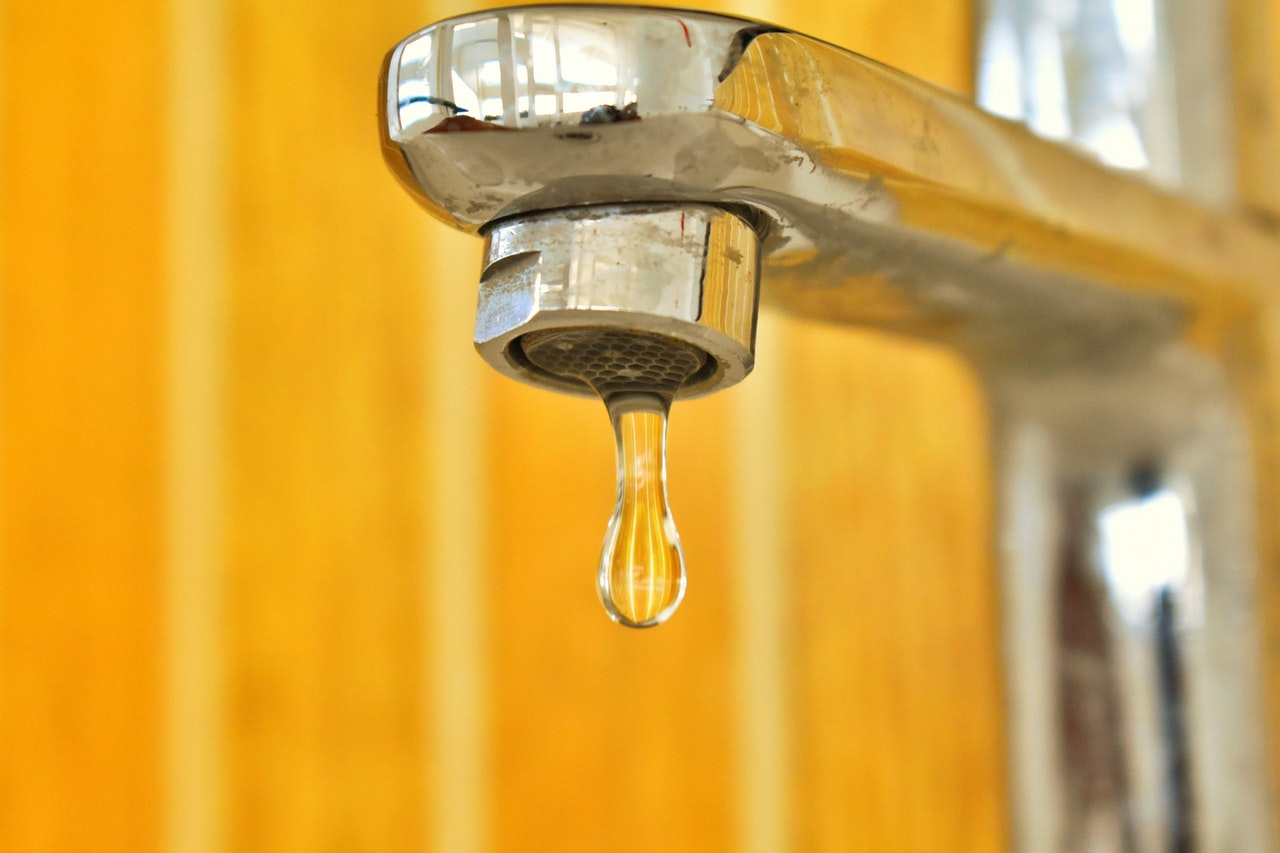
Modern fixtures can improve daily routines while adding a touch of style. Low-flow faucets and showerheads save water without sacrificing performance, while dual-flush toilets reduce waste and support sustainability. Choosing ergonomically designed sinks, tubs, and toilets enhances comfort for all household members. Smart fixtures such as touchless faucets, programmable showers, or heated towel racks elevate convenience while improving efficiency. These upgrades streamline bathroom tasks and make the space more user-friendly, turning daily chores into smoother experiences. Selecting durable, easy-to-clean materials also reduces long-term maintenance, keeping the bathroom functional for years.

Maximize Layout and Accessibility

slidingA functional bathroom requires careful attention to how people move through the space. Repositioning fixtures, widening pathways, or creating separate wet and dry zones can prevent congestion and enhance usability. Even small adjustments, like adding a sliding door or repositioning a vanity, can make a noticeable difference in flow. Accessibility features such as grab bars, non-slip flooring, and step-free showers ensure safety for all users. Prioritizing both comfort and accessibility creates a bathroom that is practical for everyone, from children to older adults. These changes improve daily convenience while supporting long-term usability and safety.

Upgrading a bathroom for better functionality focuses on storage, lighting, fixtures, and layout. Thoughtful improvements help organize space, enhance safety, and streamline daily routines while maintaining style and comfort. Even small changes can transform a cramped or chaotic bathroom into a practical and inviting area. By investing in these upgrades, homeowners create a space that balances aesthetics with efficiency, improving usability and satisfaction for years to come.…

The Role of Modular Construction in Prefab Housing

Prefab housing is transforming the way people think about building and owning a home, and modular construction is right at the heart of this change. Unlike traditional methods that can take months or even years, modular techniques streamline the process by creating sections of a home in a controlled factory environment before assembling them on-site. Platforms such as ratgeber-eigentumswohnung.de/einliegerwohnung-im-fertighaus/ shed light on how this approach not only saves time but also ensures consistent quality and cost efficiency. With growing interest in sustainability and affordability, modular construction is proving to be a driving force in the evolution of prefab housing.


Faster Construction with Predictable Results

roofOne of modular construction’s biggest strengths is its speed. Since modules are built simultaneously while site preparation happens, projects can finish in half the time of a conventional build. Imagine skipping months of unpredictable weather delays or the endless waiting for subcontractors to show up. By the time the modules arrive, the foundation is ready, and it can be assembled in days rather than months. This faster timeline saves funds and allows homeowners to move in sooner, which is a big plus in today’s housing market.
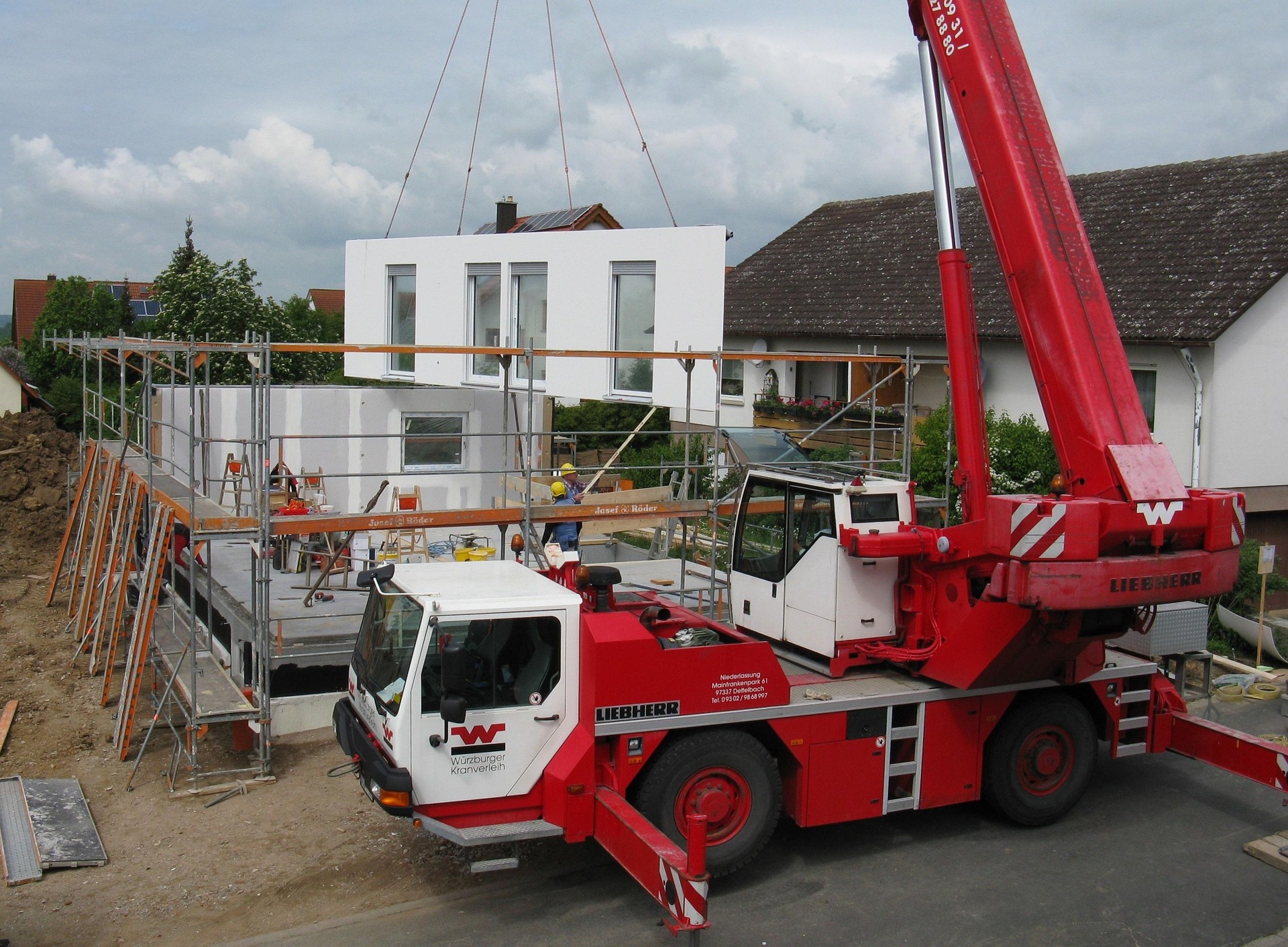
 

Consistent Quality Through Controlled Production

Because modules are built in factory environments, quality control is far more consistent than on an open job site. Each piece is crafted under strict standards, reducing errors common in traditional construction. Think of it like baking in a professional kitchen versus trying to whip something up during a backyard picnic—conditions matter. This level of precision helps ensure prefab homes not only look sharp but also meet building codes reliably. The consistency is especially appealing to buyers who worry about structural integrity or hidden flaws.


Flexible Designs with Room to Grow

house

Modular doesn’t mean monotonous. Today’s modular prefab homes are surprisingly flexible, with layouts ranging from sleek single-family homes to multi-level townhouses. Modules can be added, removed, or reconfigured over time, giving homeowners the freedom to adapt as their needs change. Families can expand their living space by adding new sections, while downsizers can streamline without starting from scratch. This adaptability makes modular construction a long-term investment rather than a short-term fix.


Eco-Friendly and Cost-Saving Advantages

Beyond speed and flexibility, modular construction also emphasizes sustainability. Building in controlled environments reduces material waste significantly, while energy-efficient designs lower long-term operating costs. Many modular homes now integrate solar panels, high-performance insulation, and smart systems to cut down utility bills. For environmentally conscious buyers, this construction style offers both financial savings and the satisfaction of reducing their carbon footprint. It’s a win-win that strengthens the appeal of prefab housing as a modern solution.


Modular construction has become the backbone of prefab housing, combining efficiency, quality, flexibility, and eco-friendly practices into a compelling package. Far from being a shortcut, it’s a smarter way to build homes that meet today’s demands without dragging out timelines or inflating costs. For buyers and investors alike, modular construction proves that prefab homes are not just affordable—they’re innovative, stylish, and built to last. 

The Cost of Building a Prefabricated House: What to Expect

Prefabricated houses have become one of the most attractive options for affordable and efficient living. As housing costs continue to rise, many homeowners are exploring prefab construction as a way to balance quality with budget. As explained on the ZeitundWert website, these homes are generally more affordable than traditional builds; the cost of building a prefabricated house still varies depending on size, design, materials, and location. Understanding what to expect helps buyers plan effectively and avoid unexpected financial challenges.

Initial Purchase and Manufacturing Costs

The first cost consideration is the base price of the prefabricated unit itself. Depending on the size and layout, a prefab home can range from a small, compact design to a large, multi-bedroom family house. Prices often start lower than traditional builds because components are mass-produced in factories, where economies of scale reduce labor and material expenses. Buyers can usually choose from standard models or customize their design, which can raise the overall price but provides greater flexibility.

Land and Site Preparation

excavator

Beyond the house itself, buyers must factor in the cost of land and site preparation. Purchasing land, securing permits, and preparing the foundation are essential steps before the home is delivered and assembled. These costs can vary widely depending on the location, soil type, and accessibility of the building site. Preparing utilities such as water, electricity, and sewage connections also adds to the budget and should not be overlooked.

Transportation and Assembly

Another expense involves transporting the prefab modules from the factory to the building site. Shipping fees depend on distance, size, and complexity of the delivery. Once on-site, skilled workers are required to assemble the structure, connect utilities, and finish interior work. While this process is faster than traditional construction, it still involves labor costs, which should be included in the financial plan.

Customization and Upgrades

house

One of the appealing aspects of prefabricated houses is the ability to customize. However, upgrades such as premium flooring, high-end appliances, or eco-friendly features like solar panels and advanced insulation can significantly raise costs. Buyers should weigh the benefits of customization against their budget, ensuring that personal preferences align with affordability goals.

Long-Term Value and Savings

Although the upfront expenses may seem substantial, prefabricated homes often deliver long-term financial benefits. Their energy-efficient designs help reduce utility bills, while durable construction lowers maintenance costs. Additionally, the shorter construction timeline reduces interest payments for those financing their homes. Over time, these savings can offset initial investments and make prefab housing a cost-effective choice.

The cost of building a prefabricated house extends beyond the price of the home itself, encompassing land, preparation, transportation, and customization. While expenses vary based on individual choices and circumstances, prefab homes remain a more affordable and efficient alternative to traditional construction. By understanding all aspects of the cost, buyers can better plan their investment and enjoy the financial and lifestyle advantages that come with modern prefabricated living.…

Modern vs. Rustic: Choosing a Backyard Style That Matches Your Home

Your backyard should feel like an extension of your home. Choosing the right style modern or rustic can shape how that space feels and functions. It’s not just about appearance. It’s about creating a space that fits your lifestyle and complements your home’s architecture. Thoughtful backyard upgrades for a peaceful vibe can make all the difference. Let’s break down the two popular styles and help you decide which works best for your outdoor space.

Understand the Core of Each Style

Modern backyards focus on clean lines, open layouts, and minimal detail. Think sleek materials like concrete, metal, or smooth wood. Neutral colors dominate. It’s about simplicity and precision. Rustic backyards, on the other hand, embrace warmth and texture. Natural materials, vintage elements, and soft finishes define this look. Stone, weathered wood, and earthy tones come together to create a cozy, relaxed feel. Both have strong visual identities. Choosing one that echoes your home’s design will create visual flow and comfort.

Consider the Architecture of Your Home

Start by stepping outside and taking a good look at your house. A contemporary or mid-century modern home often pairs well with a modern outdoor design. Clean, geometric landscaping will mirror the house’s lines. If your home is a cottage, or farmhouse, or has traditional detailing, a rustic backyard can enhance its charm. Rustic features help the yard feel like a natural part of the home, rather than a disconnected add-on. Matching style and structure makes everything feel intentional. That’s the foundation of good design.

table

Think About How You Use the Space

Your lifestyle plays a big role in the design you choose. Do you entertain often? A modern style may offer better flow and space for large gatherings. Open patios, modular seating, and integrated lighting make it practical and stylish. If your backyard is more for quiet evenings or family time, rustic might serve you better. It invites comfort. Think wooden benches under trees, stone pathways, and soft garden lights. Your daily habits should guide the feel of your backyard, not just current trends.

Material Choices Make the Difference

Modern styles often use polished surfaces. Concrete pavers, metal edging, and glass railings are common. The goal is a clean, uncluttered space. Modern furniture is simple and functional. Rustic design leans into imperfect textures. Reclaimed wood, flagstone, and natural fabrics work well. The style supports age and weathering, making it easy to maintain over time. Both styles offer durable options. The key is choosing materials that match not only the style but also the climate and how much maintenance you’re comfortable with.

Plants Set the Tone

In modern backyards, landscaping tends to be restrained. Repetition, symmetry, and clean borders define the plant layout. Low-maintenance species with architectural forms are often chosen. Rustic gardens allow for more freedom. Mixed flower beds, herbs, and native species add color and variety. Wild edges and natural flow make the space feel organic and inviting. The planting style you choose can either sharpen or soften the yard’s look. It has the power to define mood and rhythm.


Blend When Necessary

Sometimes, a pure modern or rustic style won’t work. That’s okay. Your home might have elements of both. In that case, blending styles can lead to something truly unique. You can pair a concrete patio with wood furniture. Add a modern fire pit beside a rustic stone wall. It’s about balance. Just ensure one style doesn’t overpower the other.

In Conclusion

Transitions between materials, colors, and textures should feel smooth. The goal is a backyard that feels natural next to your home and meets your needs with the utmost harmony. Choosing between modern and rustic isn’t just a design choice it’s a decision that affects how you experience your home every day. Look at your architecture, lifestyle, and preferences. Then commit to a direction that feels right. The best backyard style is one that brings out the best in your home and invites you to spend time outside, comfortably and confidently.…

Moving to a New Home? How SpotOn and Halo Dog Collars Help Your Dog Adjust to a New Yard

Moving to a new home is an exciting adventure, but it can also be a source of stress for both you and your furry friend. While you’re busy packing boxes, coordinating utilities, and navigating the chaos that comes with relocation, your dog might feel confused or anxious about their changing environment. It’s essential to recognize how this transition affects them emotionally and physically. Fortunately, understanding the different features and quality of SpotOn vs Halo dog collars can make this adjustment smoother for everyone involved. By leveraging technology designed specifically for dogs, these collars not only keep your pet safe but also help in behavior training during this pivotal time. Let’s explore how these tools can ease the process of moving into a new yard while ensuring your pup feels secure and happy throughout the journey ahead.

The Stress of Moving and How It Affects Dogs

Moving can be a whirlwind of activity, and dogs often pick up on our stress. The constant packing and unpacking creates an environment filled with uncertainty. Many pets thrive on routine, so when their familiar surroundings change, they may become anxious or restless. A new home means new smells, sounds, and sights that can overwhelm them. You might notice changes in behavior excessive barking, hiding, or even clinginess. These reactions are natural as your dog tries to make sense of the upheaval around them.

SpotOn and Halo Dog Collars at a Glance

pet

SpotOn and Halo dog collars are revolutionizing pet care, especially during transitions like moving to a new home. These innovative devices offer more than just style; they provide essential features that cater to both safety and training. SpotOn utilizes advanced GPS technology, allowing you to set up virtual boundaries in your new yard. This feature ensures that your furry friend stays within safe limits while exploring unfamiliar territory. It’s perfect for giving pet owners peace of mind. Halo, on the other hand, focuses on behavior training with its comprehensive system. It guides dogs through positive reinforcement methods tailored to their needs. As you settle into your new environment, this collar can help reinforce commands and establish routines amidst the chaos of relocation.

How SpotOn Uses GPS Technology to Keep Your Dog Safe in a New Environment

SpotOn harnesses advanced GPS technology to create a safe haven for your dog in unfamiliar surroundings. With its innovative digital fence feature, you can set up customizable boundaries tailored to your new yard. When your dog wanders beyond these pre-set limits, the collar sends an immediate alert to your smartphone. This real-time tracking gives you peace of mind as you settle into your new home. The collar’s accuracy is impressive, offering location updates every few seconds. Whether exploring a spacious backyard or navigating tight spaces, SpotOn helps keep furry adventurers secure and within reach.

The Benefits of Using Halo Dog Collars

lawn

Moving can be a hectic time, and your dog may feel the tension. Halo Dog Collars offers an innovative solution to manage behavior during this transitional phase. These collars provide effective training tools that help reinforce commands, making it easier to keep your pet calm amidst the chaos. With built-in features for positive reinforcement, they allow you to reward good behavior instantly. You can also set up virtual boundaries in your new yard. This feature helps prevent your dog from wandering off or getting into trouble while they adapt to their new surroundings.

Tips for Helping Your Dog Adjust to a New Yard

Give your dog time to explore. Let them sniff around the yard at their own pace. Each new scent tells a story and helps them feel more comfortable. Create a safe space with familiar items. Set up their bed or favorite toys outside. This gives them a sense of security in an unfamiliar setting. Stick to routines as much as possible. Feed, walk, and play with your dog at the same times you did before the move. Familiar habits can ease anxiety.

Moving can be a daunting experience for both humans and their furry companions. By understanding the stresses involved and utilizing innovative tools like SpotOn and Halo Dog Collars, you can make this transition smoother for your dog. SpotOn’s GPS technology ensures …

Reasons Homeowners Shouldn’t Ignore Minor HVAC Problems

Every homeowner knows that a comfortable living space is essential for a happy daily life. However, many tend to brush them aside when it comes to HVAC issues—especially the minor ones. A little noise here, a slight temperature fluctuation there; how bad can it really be? But those seemingly insignificant problems can snowball into much larger headaches if left unchecked.

Understanding the potential consequences of ignoring these small signs could save you time, money, and stress in the long run. But if you plan on starting an HVAC company soon, you should consider hiring professionals to help you market effectively. HVAC Marketing Agencies provide services that can help you grow your business. Now, let’s dive into why addressing minor HVAC problems is crucial for every homeowner.

Cost Escalation

Ignoring minor HVAC issues can lead to skyrocketing costs. What starts as a small repair can quickly become a major expense if not addressed promptly. For instance, a slight refrigerant leak may seem trivial. However, it can cause your system to work harder, increasing energy bills and further damage over time. The more stress you place on the unit, the more likely it is that significant components will fail. Furthermore, waiting too long for repairs often means dealing with emergency situations later. Emergency services typically come with premium charges that far exceed routine maintenance costs.

Comfort Issues

Ignoring minor HVAC issues can lead to significant comfort problems in your home. You might notice uneven temperatures from room to room. Some areas could feel stuffy, while others are too chilly. When the system struggles with small malfunctions, airflow becomes disrupted. This inconsistency can make it hard for you and your family to find that perfect temperature balance. Beyond just physical discomfort, these fluctuations can affect your mood and productivity. A comfortable living space is essential for relaxation after a long day or enjoying time with loved ones.

Comfort Issues

System Efficiency

Ignoring minor HVAC issues can have a direct impact on system efficiency. Even slight problems, like a dirty filter or an uncalibrated thermostat, can force your unit to work harder than necessary. When components are not functioning optimally, energy consumption rises. This means higher utility bills each month. Over time, small inefficiencies accumulate and lead to significant costs. Moreover, an inefficient HVAC system struggles to maintain consistent temperatures. You might adjust the settings more often or deal with uncomfortable hot and cold spots throughout your home.

Safety Concerns

Ignoring minor HVAC problems can lead to serious safety risks. A small issue today might turn into a major hazard tomorrow. For example, a malfunctioning furnace can emit dangerous carbon monoxide gas. This silent killer is colorless and odorless, making it extremely hard to detect without proper equipment. Regular maintenance ensures that all components are functioning safely. Ductwork issues can also pose threats. Leaky ducts reduce efficiency and can introduce harmful pollutants into your home’s air supply.


Impact on Home Value

Ignoring minor HVAC issues can significantly impact your home’s value. Prospective buyers often conduct thorough inspections. Visible signs of neglect in your heating and cooling systems can raise red flags. A well-maintained HVAC system is a selling point. It assures potential homeowners that they won’t face immediate repair costs or discomfort after moving in. A neglected system may deter buyers or lead them to offer less money. In competitive markets, even small problems can make a difference.

Ignoring minor HVAC problems can lead to many issues that extend beyond just the immediate inconvenience. Homeowners should recognize that these small annoyances can snowball into larger, more costly repairs if left unaddressed. Addressing even the smallest HVAC issue can save time, money, and stress while providing peace of mind for homeowners who prioritize their living space’s safety and functionality. Taking proactive steps now will yield benefits for years to come.…

Off-Grid Living in a Prefabricated Home: How to Create a Self-Sufficient Lifestyle

Imagine living in a home where you are completely self-sufficient, relying on nature’s resources and modern technology to meet all your needs. Off-grid living in a prefabricated home can turn this dream into a reality. According to houzz, combining the efficiency and convenience of prefab homes with the freedom and sustainability of off-grid living offers a unique lifestyle choice. In this article, we’ll explore how to create a self-sufficient lifestyle in a prefabricated home and the steps you can take to make it happen.

Understanding Off-Grid Living

Off-grid living means living independently from public utilities. It involves generating your own power, collecting and managing your own water, and often growing your own food. This lifestyle emphasizes sustainability, self-reliance, and minimizing your environmental impact. When paired with a prefabricated home, which offers modern, efficient construction methods, off-grid living becomes a practical and achievable goal.

Understanding Off-Grid Living

Why Choose a Prefabricated Home for Off-Grid Living?

Prefabricated homes are an excellent choice for off-grid living for several reasons:

1. Efficient Construction

Prefabricated homes are built in sections or modules in a factory before being transported to the site. This efficient construction process means less waste and a faster build time, which is ideal for off-grid setups where traditional construction can be more challenging.

2. Modern Technology

Many prefabricated homes come with the latest in energy-efficient technology, which is crucial for off-grid living. Features like high-performance insulation, energy-efficient windows, and pre-installed solar panel systems can make the transition to an off-grid lifestyle smoother.

3. Customization

Prefab homes offer a range of customizable options that can be tailored to suit off-grid needs. You can select features that align with sustainable living practices, such as rainwater collection systems or composting toilets.

Steps to Create a Self-Sufficient Off-Grid Lifestyle

Power Your Home

Generating your own power is a cornerstone of off-grid living. Here are some common methods:

  • Solar Panels: Install solar panels to capture sunlight and convert it into electricity. Modern solar technology has made it easier than ever to power your home with renewable energy.
  • Wind Turbines: If you live in a windy area, a wind turbine can complement your solar system and provide additional power.
  • Backup Generators: Consider a backup generator for times when solar or wind power might be insufficient, especially during cloudy days or calm periods.

Manage Water Resources

Water management is crucial for off-grid living. Here’s how to ensure a steady supply:

  • Rainwater Collection: Install rain barrels or a larger rainwater collection system to capture and store rainwater. This water can be used for drinking, cooking, and irrigation.
  • Well water: If your property has access to groundwater, drilling a well can provide a reliable water source.
  • Water Filtration: Invest in a high-quality water filtration system to ensure your water is clean and safe for consumption.

Create a Sustainable Waste Management System

Handling waste responsibly is key to maintaining a self-sufficient lifestyle:

  • Composting Toilets: These toilets break down waste into compost, which can be used as a natural fertilizer for your garden.
  • Greywater Systems: Recycle greywater (from sinks and showers) for irrigation and other non-potable uses. Ensure your system is designed to handle your household.

Grow Your Own Food

Growing your own food can reduce your reliance on external supplies and provide fresh, healthy produce:

  • Garden Space: Allocate space for a vegetable garden, herbs, and fruit trees. Raised beds or container gardening can be great options if you have limited space.
  • Greenhouses: A greenhouse can extend your growing season and protect plants from harsh weather conditions.
  • Aquaponics or Hydroponics: These systems allow you to grow plants using nutrient-rich Water, which can be especially useful if you have limited soil.

house

Benefits of Off-Grid Living in a Prefabricated Home

Choosing to live off-grid in a prefabricated home offers several benefits:

  1. Reduced Environmental Impact: By generating your own power, managing waste responsibly, and growing your own food, you reduce your reliance on external resources and lower your carbon footprint.
  2. Increased Self-Sufficiency: Off-grid living fosters a sense of independence and self-reliance. You’ll have more control over your resources and daily life, leading to greater personal satisfaction.
  3. Cost Savings: While the initial setup for off-grid systems can be an investment, over time, you’llyou’llmoney on utility bills and maintenance costs.

The Joys of Downsizing: The Advantages of Living in Smaller Homes

In a world often obsessed with bigger and grander, there’s a growing movement towards the joys of downsizing—opting for smaller homes that prioritize efficiency, simplicity, and a more sustainable lifestyle. Downsizing isn’t just about sacrificing space; it’s about embracing a new way of living that can bring numerous benefits. This essay will explore the top advantages of living in smaller homes: cost savings, reduced maintenance, increased sustainability, and enhanced quality of life. You can check out the Aachener Zeitung for more information on current trends and tips for incorporating self-help techniques in house building.

Cost Savings

budget

One of the most significant advantages of downsizing to a smaller house is the potential for substantial cost savings. Smaller homes usually come with a lower purchase price or rent, reducing upfront costs. Moreover, due to decreased square footage, ongoing expenses such as property taxes, utilities, and maintenance are generally lower. Homeowners can redirect the money saved towards other financial goals, such as travel, investments, or hobbies, enhancing overall financial security and flexibility.

Reduced Maintenance

Smaller homes require less maintenance compared to larger properties. With less rooms and maller square footage to clean, maintain, and repair, homeowners can spend less time and money on upkeep. This translates to fewer weekends spent on chores and more time enjoying life. Maintenance tasks like painting, landscaping, and roof repairs are typically less costly and easier to manage in smaller homes, contributing to a stress-free living experience.

Increased Sustainability

room

Downsizing often aligns with a more sustainable lifestyle. Smaller homes consume fewer resources such as energy and water, reducing environmental impact. They are inherently more energy-efficient, requiring less heating and cooling due to better insulation and reduced interior volume. Additionally, downsizing encourages conscious consumption and decluttering, promoting a minimalist approach to possessions and reducing waste. Embracing sustainability benefits the environment and fosters a sense of responsibility towards future generations.

Enhanced Quality of Life

Living in a smaller home can significantly enhance overall quality of life. Smaller spaces promote cosiness and intimacy, fostering closer relationships among family members or housemates. The reduced clutter and simplified living environment can lead to less stress and greater calm and relaxation. Moreover, smaller homes often encourage outdoor living and community engagement, as residents enjoy local parks, cafes, and neighbourhood amenities more than being confined indoors.

Choosing to downsize to a smaller home offers numerous advantages that extend beyond the square footage. From significant cost savings and reduced maintenance to increased sustainability and enhanced quality of life, smaller homes provide a pathway to a more intentional and fulfilling lifestyle. As more individuals and families embrace the joys of downsizing, they discover the freedom and satisfaction of prioritizing simplicity, efficiency, and meaningful experiences over excess space and possessions.…

The Ultimate Guide to Creating a Cozy Home Interior

Step into a world where warmth and comfort embrace you at every turn. Imagine coming home to a space that feels like a cozy hug, where every corner radiates tranquility and charm. Creating a cozy interior isn’t just about aesthetics; it’s about crafting an atmosphere that nurtures your soul and uplifts your spirits. Join us on this journey as we delve into the ultimate guide to transforming your house into a haven of coziness and contentment.

Warm Color Palette

a Cozy Home InteriorWhen it comes to creating a cozy home interior, the color palette you choose plays a crucial role in setting the mood and ambiance. Opting for warm hues like soft earthy tones, rich browns, deep oranges, and soothing yellows can instantly make a room feel inviting and snug. These colors are known to evoke feelings of warmth and intimacy, enveloping you in a comforting embrace as soon as you walk through the door.

Incorporating warm colors into your decor can be as simple as adding throw blankets in muted shades or painting an accent wall in a cozy terracotta hue. Don’t be afraid to mix and match different tones to create depth and interest within your space. There are many painting services that will help you choose the right color palette for your home. Certain companies apply seo for painters to help customers find them.

Soft Textures

Soft textures are known to play a crucial role in creating a cozy home interior. Think plush throw blankets, fluffy pillows, and luxurious rugs that invite you to sink in and relax after a long day. These elements add warmth and comfort while also enhancing the visual appeal of your living space. Incorporating soft textures can instantly transform a room from feeling cold and sterile to warm and inviting. Opt for materials like velvet, faux fur, or knitted fabrics to introduce tactile sensations that evoke feelings of tranquility and relaxation. Mixing different textures is known to add depth and dimension to your decor, making it more visually interesting.

Personal Touches

Adding some personal touches to your home decor is what truly makes it yours. It’s about infusing your personality and memories into the space, creating a warm and inviting atmosphere that reflects who you are. One way to incorporate personal touches is by displaying cherished photographs or artwork that hold special meaning to you. These pieces are known to serve as conversation starters and bring back fond memories each time you look at them. Another idea is to mix in unique souvenirs from your travels or handmade items from local artisans. Not only do these pieces add character to your home, but they also tell a story of where you’ve been and what resonates with you.

Scented Candles or Diffusers

a Cozy Home InteriorScented candles or diffusers can instantly elevate the ambiance of your space, creating a warm and inviting atmosphere. The flickering flame of a candle adds a cozy glow to any room, while the gentle aroma wafting from a diffuser can evoke feelings of relaxation and comfort. Choosing scents that resonate with you personally is key to creating a home environment that feels uniquely yours.
From soothing lavender for unwinding after a long day to energizing citrus for a morning pick-me-up, there are endless options to explore. Incorporating scented candles or diffusers into your interior design not only pleases the senses but also serves as a stylish decor element. Opt for elegant glass jars or modern ceramic diffusers that complement your home’s aesthetic.

Remember, creating a cozy home is all about infusing it with things that bring you joy and comfort. So don’t be afraid to experiment and make it your own. Whether it’s adding plush blankets or displaying sentimental items, the key is to surround yourself with things that make you feel at ease in your own space. So go ahead, get creative, and start transforming your home into the ultimate cozy retreat where you can unwind after a long day and truly relax. Your sanctuary awaits.…

The Importance of Regular Gutter Maintenance: Protecting Your Home From Water Damage In Minneapolis

Minneapolis, known for its cold winters and heavy rainfall, requires homeowners to be proactive in protecting their properties from water damage. One crucial aspect of home maintenance is regular gutter upkeep. Gutters play a vital role in channeling rainwater away from your home’s foundation, preventing structural damage and potential flooding. In this article, we will discuss factors that highlight the importance of regular gutter maintenance in safeguarding your roofing twin cities mn from damage.

Prevention of Foundation DamagePrevention of Foundation Damage

Clogged or improperly functioning gutters can lead to water accumulation around your home’s foundation. Over time, this excess moisture can penetrate the foundation, causing cracks, shifting, and weakened structural integrity. Regular gutter maintenance, such as removing debris and inspecting for clogs, ensures that rainwater is effectively diverted away from your home.

Preservation of Siding and Exterior

Gutters that are not properly maintained can overflow, leading to water cascading down the sides of your home. This continuous water flow can cause significant damage to your siding, leading to rot, mold growth, or peeling paint. By regularly cleaning and checking your gutters, you can prevent overflow and ensure that water is directed away from the exterior of your home, preserving its aesthetic appeal and structural integrity.

Prevention of Basement Flooding

In Minneapolis, where heavy rainfall is common, proper gutter maintenance is crucial for preventing basement flooding. If gutters are clogged or damaged, water can overflow and seep into the foundation, eventually finding its way into your basement. Regularly clearing debris from your gutters and ensuring downspouts are clear and directed away from the foundation can significantly reduce the risk of basement flooding.

Protection Against Roof Damage

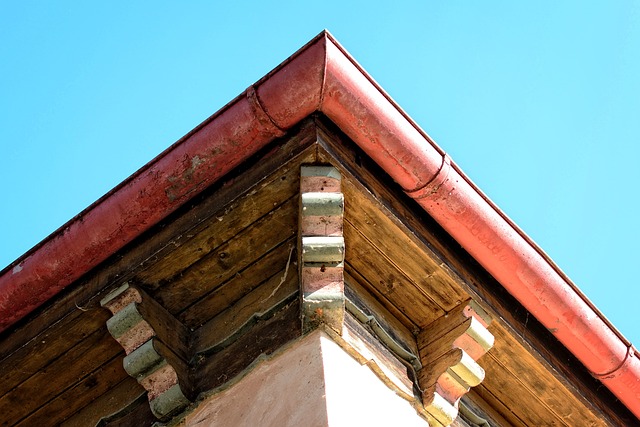
Protection Against Roof DamageGutters are designed to collect and redirect water from your roof. However, if gutters are poorly maintained, they can become clogged with leaves, twigs, or other debris. This blockage can cause water to pool on your roof, leading to issues such as roof leaks, rotting, or ice dam formation during winter months.

By regularly cleaning and inspecting your gutters, you can ensure that water flows freely off the roof, preserving its overall condition and lifespan. Regular gutter maintenance is a crucial aspect of protecting your home from water damage in Minneapolis. By preventing foundation damage, preserving siding and the exterior, preventing basement flooding, and protecting against roof damage, regular gutter upkeep helps maintain the structural integrity of your home. It is recommended to clean your gutters at least twice a year, inspect for damage or leaks, and ensure downspouts are properly positioned.…

Cost Analysis of High-End Construction Materials: Balancing Luxury and Affordability

In the realm of construction, the allure of high-end materials is undeniable. The promise of opulence, durability, and prestige often accompanies these materials, yet their expense raises pertinent questions about balancing luxury with affordability. For example, Bauherrenhilfe specializes in curating luxurious spaces while navigating the delicate balance between opulence and cost-efficiency. It understands that high-end materials contribute significantly to a property’s allure, yet they approaches luxury with a strategic mindset that emphasizes both sophistication and financial prudence. Let’s embark on a journey into the cost analysis of high-end construction materials, exploring the delicate equilibrium between luxury and financial feasibility.

High-End Construction Materials

High-end materials evoke images of sophistication and exclusivity. From premium woods and marbles to designer fixtures and innovative technologies, these materials offer unparalleled aesthetics and often boast superior quality and longevity.

The Initial Investment

One of the defining features of high-end materials is their elevated cost. The initial investment for these materials can significantly surpass conventional alternatives, attributing a premium to the exclusivity and quality they promise.

Value Beyond Cost: Unveiling Long-Term Benefits

Despite their high upfront costs, high-end materials often offer value beyond their price tag. Superior durability, reduced maintenance, and increased property value can contribute to long-term cost savings and elevated resale potential.

Strategic Selection: Balancing Quality With Budget

Navigating the realm of high-end materials involves strategic decision-making. Architects and homeowners must weigh the allure of luxury against their budget constraints, selecting materials that strike a balance between opulence and financial prudence.

Comparative Analysis: Evaluating Cost-Effectiveness Across Materials

A comprehensive analysis comparing high-end materials with their standard counterparts sheds light on their cost-effectiveness. This scrutiny involves assessing durability, maintenance requirements, lifecycle costs, and overall return on investment. Innovations in construction technologies offer a new dimension to high-end materials. Advanced materials may present cost-effective alternatives, providing luxury and quality while optimizing costs through efficiency and sustainability.

Market Trends and Demand: Influencing Cost Dynamics

Market demand and trends also shape the cost of high-end materials. Fluctuations in demand, availability, and exclusivity contribute to their pricing, highlighting the intersection between luxury, supply, and demand economics. High-end materials often serve as architectural statements, elevating property aesthetics and value. Their allure can attract discerning buyers, contributing to increased resale value, thereby justifying their initial expense.

The realm of high-end construction materials intertwines luxury with the realities of budgeting and affordability. While their initial cost might seem steep, a nuanced analysis reveals the potential for long-term cost-effectiveness and enhanced value. By strategically balancing opulence with financial prudence, homeowners and architects can craft spaces that embody luxury without compromising fiscal sensibility.…

Creating Ambiance: The Art of Landscape Lighting

Picture this: It’s a warm summer evening, and you’re strolling through a beautifully landscaped garden. As the sun sets, the landscape transforms into a mesmerizing wonderland of lights and shadows. This magical experience is made possible by the art of landscape lighting. Having a Permanent Holiday Lighting Phoenix can create a stunning ambiance for any outdoor space, whether it’s a backyard oasis or a commercial property. In this article, we’ll explore how landscape lighting can transform your outdoor spaces into enchanting havens, adding ambiance and allure to your home.

Painting With LightPainting With Light

Landscape lighting is, at its core, the art of painting with light. Just as a painter uses brushes and colors to create a masterpiece, landscape lighting designers use various lighting techniques and fixtures to illuminate the elements of your outdoor space. Trees, shrubs, flowers, pathways, and architectural features all become part of the canvas.

The Power of Layers

Creating ambiance through landscape lighting involves the strategic use of layers of light. Think of it as adding depth to your outdoor setting. Here are the primary layers:

  • Path Lighting: Soft, low-level lighting along pathways and walkways guides your steps and adds a sense of safety.
  • Accent Lighting: This highlights specific elements in your landscape, such as trees, sculptures, or architectural details, creating focal points of interest.
  • Uplighting and Downlighting: Uplights can be used to emphasize tall structures like trees, while downlights are installed above and cast light downward, creating a gentle wash of light.
  • Moonlighting: Fixtures placed high in trees can mimic the soft glow of moonlight filtering through branches, creating a romantic and magical atmosphere.
  • Wall Wash Lighting: This technique involves bathing a wall or surface with light, adding depth and drama to your landscape.

Setting the Mood

Landscape lighting isn’t just about functionality; it’s about setting the mood. The color temperature of your lighting, from warm amber to cool white, can evoke different emotions. Warm lighting often creates a cozy and inviting atmosphere, while cooler tones may feel more contemporary and energetic. Your lighting design can be tailored to match the ambiance you desire.

Safety and Security

While ambiance is a primary goal of landscape lighting, it also serves practical purposes. A well-lit outdoor space ensures safety by preventing trips and falls. It enhances security by deterring potential intruders. The beauty of landscape lighting is that it can achieve these functional objectives while still contributing to the overall aesthetic.

Energy Efficiency

Today’s landscape lighting solutions are energy-efficient, minimizing both environmental impact and energy bills. LED fixtures are widely used for their longevity and low power consumption. This means you can enjoy the beauty of landscape lighting without feeling guilty about your carbon footprint.

paint

Professional Expertise

While landscape lighting may seem like an art that anyone can master, the expertise of a professional lighting designer can truly make a difference. They understand the nuances of lighting design, know how to balance light and shadow, and can create a custom plan that showcases the unique features of your landscape.

In Conclusion

Landscape lighting is more than just a practical necessity; it’s an art form that transforms your outdoor spaces into captivating environments. The interplay of light and shadow, the layering of illumination, and the ability to set the perfect mood make landscape lighting an integral part of creating an inviting and enchanting atmosphere around your home. So, whether you’re looking to enhance your garden, patio, or any outdoor area, consider the magic of landscape lighting to bring your space to life after the sun sets.

 …

Renovating or Expanding Your Home With an Architect’s Expertise

Your home is a canvas, and with the right vision and expertise, it can be transformed into the living space of your dreams. Whether you’re planning to renovate, remodel, or expand your home, collaborating with an architect can make all the difference. In this article, we’ll explore the advantages of enlisting an architect’s expertise for your home improvement project. But you can find more professional advice here.

The Art of Transformation

transformation

Renovating or expanding a home is a creative endeavor that goes beyond construction. It’s about reimagining your living space to better suit your needs and lifestyle. Architects are the artists who can help you breathe new life into your home. They’ll work with you to understand your vision and bring it to life in a way that’s both functional and aesthetically pleasing.

Optimized Space

One of the greatest challenges homeowners face is making the most of the space they have. Whether you’re working with a small city apartment or a sprawling suburban home, architects excel at space optimization. They can find creative solutions to make your rooms more functional, organized, and spacious, ultimately enhancing your quality of life.

Preserved Architectural Integrity

In the case of older homes or historical properties, preserving architectural integrity is paramount. Architects are skilled in maintaining the character and charm of your home while updating it to meet modern standards. They understand the delicate balance between the old and the new, ensuring that your renovation respects the home’s heritage.

Energy Efficiency and Sustainability

In today’s eco-conscious world, architects play a vital role in making homes more energy-efficient and environmentally friendly. They can suggest sustainable building materials, energy-efficient systems, and eco-friendly design principles that not only benefit the planet but also reduce your utility bills in the long run.

Permits and Regulations

Home improvement projects often involve navigating a labyrinth of permits, codes, and regulations. Architects are well-versed in these complexities and can help you obtain the necessary approvals and ensure your project complies with local laws and safety standards.

Cost-Efficiency

While it may seem counterintuitive, working with an architect can actually save you money in the long term. Their expertise in planning and design can help you avoid costly mistakes and design changes during construction. Architects can also help you make informed decisions about materials and finishes, ensuring you get the best value for your budget.

Streamlined Project Management

project

Architects are not only designers but also project managers. They can oversee every aspect of your renovation or expansion, from hiring contractors to managing timelines and budgets. This holistic approach ensures that your project runs smoothly and stays on track.

Personalization and Customization

Your home is a reflection of your personality and lifestyle. Architects specialize in tailoring designs to your specific needs and preferences. Whether you want a state-of-the-art kitchen, a spa-like bathroom, or a cozy reading nook, an architect can make it a reality.

Renovating or expanding your home is a significant undertaking that can greatly enhance your living experience. With an architect’s expertise, you’ll have a skilled partner to guide you through the process, from concept to completion. They bring creativity, practicality, and a deep understanding of design principles to your project, ensuring that your home becomes the best version of itself. So, whether you’re dreaming of a modern kitchen, a spacious master suite, or a complete home makeover, consider enlisting an architect’s expertise to turn your vision into a reality.…

Advantages of Hiring Professional Roofers

Roofing problems can be a homeowner’s worst nightmare. From leaks and missing shingles to damaged gutters, these issues can wreak havoc on your home and cause significant headaches. So, when it comes to repairing or replacing your roof, it’s crucial to hire professionals. If you want to know how to hire the right roofer, you should know some things to avoid. Here, we’ll explore the advantages of hiring professional roofers who are skilled in their craft. Say goodbye to sleepless nights worrying about your roof – let the experts take care of it for you.

professional

Expertise and Experience

When it comes to something as important as your roof, expertise, and experience are crucial factors to consider. Professional roofers have spent years honing their skills and acquiring the knowledge necessary to handle any roofing project with precision. They understand the complexities of different roofing systems and can accurately diagnose issues that might go unnoticed by an inexperienced eye. By hiring professionals, you’re tapping into a wealth of industry knowledge. These experts stay up-to-date with the latest techniques, materials, and regulations in the roofing industry. Their experience allows them to spot potential problems before they escalate into major headaches for homeowners.

Quality Materials and Tools

Using high-quality materials is essential for long-lasting results. Professional roofers have access to the best materials in the industry, ensuring that your roof will be durable and resilient against harsh weather conditions. They know which products are reliable and can recommend options that suit your specific needs. In addition to quality materials, professional roofers also have access to advanced tools and equipment. These tools allow them to work efficiently and effectively, saving you time and money in the long run. From power nailers to thermal imaging cameras, they have everything needed to complete the job with precision.

Safety Measures

Safety should always be a top priority. This is especially true when it comes to roofing work, as it can involve working at heights and handling heavy materials. Hiring professional roofers ensures that you have experienced individuals who prioritize safety throughout the entire process. Professional roofers are well-trained and knowledgeable about the safety measures that need to be taken when working on roofs. They have undergone extensive training and certifications to ensure they know how to handle various situations safely. One of the key safety advantages of hiring professional roofers is their access to proper equipment and tools. They come equipped with all the necessary gear such as harnesses, helmets, gloves, and protective eyewear.

Time and Cost Efficiency

time The major advantage of hiring professional roofers is the time and cost efficiency they bring to the table. Roofing projects can be time-consuming and costly, but with professionals at your service, you can save both time and money. Professional roofers have extensive experience in completing roofing projects efficiently.

They know exactly what needs to be done and how long it will take, allowing them to work quickly without compromising on quality. This means that your roofing project will be completed promptly, saving you valuable time. In addition to their expertise, professional roofers also have access to high-quality materials and tools that are not readily available to homeowners.

Conclusion

So when it comes time for your next roofing project or repair needs, consider hiring professional roofers who possess the expertise, experience, top-notch materials, and tools along with a commitment to safety measures. Investing in their services will provide long-term benefits for both your home’s structural integrity and your peace of mind. Have you had any experience hiring professional roofers? Let us know in the comments.…

DIY Garden Activities That Can Beat the Winter Blues and Care for Your Outdoor

Gardening is a great way to get outside and enjoy the fresh air, even in winter. Not only that, but it’s a perfect way to take care of your plants and prepare your garden for the spring. So before you start feeling sad, anxious, or stressed out this winter, let’s get gardening. There are tons of fun DIY garden activities that can help brighten up your day and take care of your outdoor space. One fun fact is that doing these garden activities can add more value to your home. Check out urdesignmag.com to learn more about this fact. We’re going to share some fun DIY garden activities you can do in winter to keep yourself busy and help your garden thrive.

Building a Cold Framecold frame

Are you concerned with how your plants will make it through the winter? The perfect solution is to build a cold frame. A cold frame is basically a mini greenhouse that keeps temperatures warmer for your plants, allowing them to survive the colder months.

This simple structure helps protect tender plants from the elements and gives them enough warmth and light to survive. All you need are salvaged building materials like wood, glass, or plastic sheeting, hinges, and nails. Once built, you can open it up during the day to give your plants some sun, then close it at night to trap any warm air and protect them from cold temperatures.

Mulching Your Garden Beds

Another way to keep your garden beds healthy in winter is with mulch. Mulch acts as a layer of insulation for the soil, conserving moisture and protecting roots from the chilly winter air. Not only that, but it’s an excellent way to suppress weeds and enrich your soil with beneficial nutrients. So grab your shovel and get mulching. What can be better than spending a day outside building up your soil for next season?

Making Winter Wreaths

Gardening isn’t just about taking care of your plants. It’s also about adding beauty and color to your outdoor space. So why not spend the day making winter wreaths with materials from your garden? Forage for evergreen branches and dried flowers to create a festive winter wreath that you can hang on your door or window. Not only will it brighten up your outdoor space, but it’s also a great way to preserve garden materials for use later in the year. What’s more, you’ll surely get plenty of compliments when your neighbors walk by.

Starting Planting Your Spring Flowers

winterWinter may seem like the last thing you want to think about when gardening, but it’s an ideal time for planting spring flowers. Planting bulbs in winter will give them plenty of time to establish root systems before the warmer weather arrives. So take a trip to your local garden center and pick out some tulips, daffodils, and other spring flowers you’d like to add to your garden.

Planting bulbs in winter is an excellent way to jump-start the gardening season and give yourself something to look forward to in the coming months. Gardening in winter doesn’t have to be a chore. With these fun DIY activities, you can keep busy and take care of your garden simultaneously. So bundle up and get outside. Who knows? You might even enjoy yourself. Moreover, it can be such a rewarding experience to see the results of your hard work in spring. So don’t let the winter blues take over, use these ideas to get outside and enjoy your garden this winter.…

Reasons Why You Should Paint Your Home’s Interior and Exterior

If you’re like most homeowners, you may think that painting your home is a daunting task. However, if you take the time to learn about the many benefits of painting your home’s interior and exterior, you may change your mind.

This blog post will discuss some of the top reasons why you should paint your home as soon as possible. We’ll also provide tips on how to choose the right paint colors for your home. If you don’t know which type of paint to use, you can check out the organic house paint benefits.

Improves Its Curb Appeal

home paintingOne of the main advantages of painting your home is that it can improve its curb appeal. A fresh coat of paint on the exterior of your home will give it an updated, polished look that may attract more potential buyers if you plan to sell in the future.

Furthermore, painting your interior walls can make a big impact when it comes to improving the overall aesthetic and feel of your home.

Makes a Good Investment

Painting your home is also a great investment. A new coat of paint can help protect the wooden surfaces in your home from water damage, mold, and mildew that can occur due to environmental conditions or improper maintenance over time. Not only does painting help enhance the beauty of your home, but it can also help you save money on repairs and replacements in the future.

Protects Against Pests

Surprisingly, painting your home can also protect it against pests such as termites and other wood-boring insects. A fresh coat of paint will provide a protective barrier that may keep these pests out of your home.

Choosing the Right Paint Color

colorFinally, when it comes to painting your home’s interior and exterior, there are many factors to consider when choosing the right paint color. One of the most important things you should think about is selecting a color that complements the other design elements in your home. For example, if you have a neutral sofa in your living room, you may want to choose a brighter color for the walls that will bring out its texture and style. It is not always about painting white.
Additionally, be sure to consider the natural lighting of the room when selecting your colors. If you’re still unsure of which colors to choose, it’s best to consult with a professional painter who can help you pick the perfect paint job for your home.

Painting your home’s interior and exterior can be a daunting task, but it is well worth the effort. Not only will painting improve its appearance and curb appeal, but it also provides protection against pests and can save you money in the long run. With these tips in mind, you can be sure to choose a paint job that will make your home look its best for years to come.

Readers, if you’re considering painting your home’s interior and exterior, we hope this post has given you a better understanding of the benefits and how to choose the right paint colors.…

Effective Methods to Manage Hard Water Issues in Your Home

Like most homeowners, you probably don’t think about your water until there’s a problem. And if you’ve been dealing with hard water problems, then you know just how big of an issue it can be. Hard water can cause various problems, such as scaling on your fixtures and appliances, cloudy or stained glassware, and dry skin. But don’t worry. You’ve got this issue under control by installing one of suitable types of home filtration systems. We’ll also show you just how you can manage hard water issues in your home. So, let’s get this done.

Vinegar and Lemonsknife

One simplest and most effective way to remove hard water stains is with vinegar and lemons. Mix equal parts of each in a bowl and apply it to the affected area with a sponge. Let it sit for about an hour, then rinse it away with clean water.

You may need to scrub if the stains are particularly stubborn, but this method is usually enough to get the job done. Not only is it practical, but it’s also affordable and eco-friendly.

Lower Water Temperature

Another natural way to prevent hard water stains is to lower the temperature of your water heater. Water that’s too hot can cause mineral deposits to build up more quickly, so by turning it down to 120 degrees Fahrenheit, you can help prevent those pesky stains from appearing in the first place. If you’re unsure how to adjust your water heater’s temperature, consult your owner’s manual.

Rinse Aid

Rinse aid might be something you only use when doing the dishes, but it can be a helpful tool in preventing hard water stains. Rinse aid helps to break up the mineral deposits that can cause hard water stains. So by using it regularly, you can help keep your home free of these unsightly blemishes. Just be sure to follow the instructions on the bottle, as using too much can have the opposite effect.

Water Softener

Ultimately, installing a water softener is the best way to manage hard water issues in your home. A water softener works by removing the minerals that cause hard water, which can effectively eliminate the problem at its source. Not only will this help to keep your home free of stains, but it can also extend the life of your plumbing fixtures and appliances. If you’re looking for a long-term solution to your hard water problems, a water softener is the way to go. These are just a few ways to manage hard water issues in your home. Taking some preventive measures and being proactive about treating stains can keep your home looking its best. And with one of the best types of home filtration systems, you can rest assured that your water will be free of impurities.

 …

Good Ways to Start a Hydroponic Garden

If you’re looking for a way to start gardening, you may consider planting big trees in your yard and hiring a Chesterfield Tree Service to take care of them. While it’s a good idea, some of us don’t have the luxury of living in a home with a huge yard. Hydroponics may be the perfect choice for you. Hydroponic gardens don’t require any soil, so they are perfect for people who live in apartments or don’t have access to a lot of lands. This blog post will discuss some good ways to start a hydroponic garden. We will also provide tips on maintaining your garden and keeping your plants healthy.

Pick Your Desired Plantshydroponic

One of the best things about hydroponics is that you can grow almost any plant type. If you’re a fan of leafy greens, you can grow lettuce or spinach in your garden. If you prefer fruits and vegetables, you can grow tomatoes, cucumbers, and peppers. You can even grow flowers in your hydroponic garden.

The sky is the limit for the type of plants you can grow in your garden. Once you’ve decided on the kind of plants you want to grow, pick the best seeds.

Consider Your Light Source

Another essential factor to consider when starting your hydroponic garden is the type of light source that you will use. One of the most common types of light sources is fluorescent lighting. This type of lighting is inexpensive and easy to find. However, it doesn’t provide the best results for all plants. If you’re growing flowers or vegetables, you may want to consider using LED lighting. This type of lighting is more expensive, but it will provide better results for your plants.

Get the Nutrition and the Water Flow Right

plasticNow, let’s talk about the nutrients your plants will need to grow. In a hydroponic garden, you will need to add nutrients to the water. It would help if you used a nutrient solution designed explicitly for hydroponic gardens to get the best results. The A&B Grow nutrient solution is an excellent option for hydroponic gardens.

You can find it at most gardening stores. In addition to the nutrients, you will also need to make sure that the water flow is proper. Too much or too little water can be detrimental to your plants.

Learn How to Clean and Maintain the System

herbsFinally, when you’ve started the system, it’s a must to learn how to clean and maintain it. The system can get dirty and clogged over time. If you don’t clean it, the plants will not get the nutrients they need. To clean the system, you should use a water filtration system. It will remove any dirt or debris from the water.
Now that you’ve read this blog post, you should understand how to start a hydroponic garden. Be sure to follow the tips we’ve provided to get the best results. Also, don’t forget to clean and maintain the system regularly. If you do, you will be able to enjoy your hydroponic garden for years to come.…

Popular Things to Install in Your New Home

Are you in the process of buying or building a new home? If so, you may be wondering what kinds of things you should install in your new space. There are many popular options to choose from, and it can be tough to decide which ones are right for you. This blog post will discuss some of the most popular things to install in your new home.

Security System

One of the most popular things to install in a new home is a security system. This can give you peace of mind, knowing that your home is protected. There are many different security systems available, so you can choose the one that best fits your needs. Some of the standard features of security systems include burglar alarms, surveillance cameras, and motion detectors.

With the right security system in place, you can have peace of mind knowing that your home is protected. When choosing a security system, consider the essential features and find a system that meets your needs. You can use other security measures besides installing an alarm, such as keeping your doors and windows locked, having a dog, or even just being aware of your surroundings. By taking some simple steps, you can help to keep your home safe and secure.

Water Filtration System

filterAnother vital thing you need in your new home is a water filtration system. This will help remove any impurities from your water, making it safer and healthier to drink. According to the homelovr.com website, many different types of water filtration systems are available on the market, so it is essential to do your research to find the one that best suits your needs.

To choose the best system for you, consider the size of your home, the water pressure, and the type of water you have. If you are not sure which system to choose, ask a professional plumber or water filtration specialist for help. They will be able to advise you on the best system for your home and install it for you.

Carbon Monoxide Detectors

It is now popular for homes to have a carbon monoxide detector. This is because carbon monoxide is a gas that can be deadly. The best way to protect your family from carbon monoxide poisoning is to install a carbon monoxide detector in your home. The market is filled with different models of carbon monoxide detectors, so you can choose the one that best fits your needs.

Ensure that you properly install and maintain your carbon monoxide detector to keep your family safe. You can hire a professional to install your carbon monoxide detector or follow the instructions that come with the detector. Most importantly, make sure that you regularly test your carbon monoxide detector and replace it every five years. By taking these precautions, you can protect your family from the dangers of carbon monoxide poisoning.

If you are constructing your new home or buying one, you should consider installing some of the installations mentioned in this blog post.…

How to Redecorate Your Home in During a Pandemic

With the pandemic going on, many people are looking for ways to make their homes feel more like home. It can be hard to stay positive when so much is changing, but there are a few things you can do to brighten up your space. We will discuss some tips for redecorating your home during the pandemic from www.atimeoutformommy.com.

Prepare in Advance

preparationPreparations are always key whether you are expecting company or just want to change up your decor. But with everyone being home all the time, it can be hard to find the time to prepare. So, set some time every week to work on your project. Even if it’s just an hour, it will help you stay on track and not feel overwhelmed.

This is especially important if you are working on a tight budget. Figure out how much you can afford to spend and then stick to it. There are plenty of ways to get creative without breaking the bank. For example, you can shop at thrift stores, garage sales, or online marketplaces like Craigslist or Facebook Marketplace.

Choose a Theme

Having a theme in mind will help you stay focused as you shop for new pieces or repurpose old ones. It can be something as simple as “cozy cabin” or “beach chic.” Once you have your theme, start brainstorming ways to incorporate it into your space.

Work With What You Have

You don’t necessarily need to go out and buy new things to redecorate your home. Sometimes all it takes is a little bit of elbow grease and some imagination. For example, you can repaint old furniture, frame artwork that’s been sitting in storage, or sew new pillow covers.

Take Your Time

decorating roomRome wasn’t built in a day, and neither is the perfect home. So, take your time and enjoy the process. After all, this is your chance to really make your space reflect who you are and what you love.

Set realistic goals, and don’t be afraid to ask for help if you need it. With a little bit of planning and effort, you can turn your house into the home you’ve always wanted. In addition, some coverups are pricier than others, but the results can be just as satisfying.

The Bottom Line

It’s always important to take your time when redecorating your home, but it’s vital during a pandemic. You can do a few things to make sure you stay on track and don’t get overwhelmed. Set a budget, choose a theme, and work with what you have. With a little bit of planning and effort, you can turn your house into the home you’ve always wanted.

What are some of your tips for redecorating your home during the pandemic? Let us know in the comments below.…

4 Types of Window Openers: How to Choose the Right One for Your Home

Window openers are a great way to make your life easier. They allow you to open and close your windows with the press of a button without going outside. The window opener is available on the market, so it can be challenging to decide which one is right for you. This blog post will discuss the 4 most common types of window openers and help you choose the right one for your home.

Side Hung Window Opener

open windowSide hung window openers are the most common type of opener. They are operated by a handle attached to the side of the window. Side hung window openers are easy to install and use, and they are relatively inexpensive. However, if you live in an area with high winds, you may want to consider a different type of opener.

Top & Bottom Hung Window Openers

Top and bottom hung window openers are similar to side hung window openers, but they are operated by a handle attached to the top or bottom of the window. These types of openers are ideal for homes with large windows, as they allow you to open the entire window at once. They are also easy to install and use relatively inexpensive. Top and bottom hung window openers are not recommended for homes with high winds, as they can be difficult to operate in windy conditions.

Top Swing Arm Window Opener

The top swing arm window opener is an excellent choice for those who want an unobtrusive window opener. This is installed at the top of the window and swings out the way when not used. Top swing arm openers are available in both manual and automatic versions and the manual version is operated with a hand crank. In contrast, the automatic version is operated with a motor. Top swing arm openers are ideal for windows that are difficult to reach or have limited space around them. You can also use them on casement windows. The main downside of top swing arm window openers is that they can be less reliable than other types of openers. They are also more expensive than different types of window openers.

Tilt Turn Windows

outsideTilt turn windows are becoming increasingly popular in Europe and are slowly making their way over to the States. A tilt turn window is a single unit that can tilt inwards at the top for ventilation and open inwards from hinges at the side. This gives you the option of having a fully open window or just a crack for ventilation. If you’re in the market for a new window opener, it’s important to consider all of your options.

We’ve provided an overview of the 11 most common types of window openers so that you can choose the one best suited for your needs and home. Remember that not every type of opener will be available in every region, so be sure to consult with a local contractor or specialist to find out what’s available in your area. Have you decided on which type of window opener is right for you? Let us know in the comments below!…

Essential Things to Consider When Choosing Home Water Filters

If you are looking for a way to improve the quality of your home’s water, then it is essential to find the right filter. Also, you can check out https://gardensnursery.com/how-to-get-clean-water-for-your-garden-you/ for their benefits. However, there are so many different filters on the market. How do you know which one is best? We have compiled this list of considerations that will help make your decision easier.

Consider Location of Your Water Filter

showerThe location of your water filter is an important consideration. If you have a pitcher-style filter, it needs to be near the faucet so you can quickly fill it up with water. If you have a whole-house system, the main unit will need to be installed somewhere near the water source.

There are several different types of filters on the market. It’s essential to understand what you need before buying one. There is no point in spending hundreds of dollars on a filter that isn’t going to do anything for your family.

Examine Installation Costs

Installation costs can vary depending on the type of filter you choose. Some filters are easy to install yourself, while others require a professional plumber. It’s important to factor in installation costs when deciding which filter to buy.  Another important consideration is the warranty length. Many filters come with a limited warranty, so it’s important to find one that will last for the amount of time you need it. Some have a lifetime warranty, while others may only be good for a year or two.

Establish the Price

washPrice is always a consideration when it comes to filters. Some of the more expensive ones can be a little overwhelming, but remember that you get what you pay for. Cheaper filters may not last as long or filter out as many contaminants. It’s essential to do your research and find the best filter for your family’s needs.
The capacity of the filter is also an important consideration. You’ll need a larger filter with more power if you have a large family. If you only have one or two people in your house, you won’t need as large of a system.

Consider the Filter Type (Carbon, Reverse Osmosis)

The type of filter you choose will depend on the contaminants present in your water. If you have high chlorine levels or other chemicals, you’ll need a carbon-based filter. If you’re worried about arsenic, lead, or other heavy metals, you’ll need a reverse osmosis system. There are also combination filters that can address a range of contaminants. It’s important to know what’s in your water before you buy.…

Ways to Increase the Value of Your Home

If you’re looking to sell a home soon, then you should be thinking about how to maximize its value. There are many ways to do this, but not all of them will work for your specific situation. In this blog post, we’ll discuss different methods to increase home value so that when it comes time to sell it, you can get more money out of it.

Upgrade to High Demand Finishes

homeWhen it comes time to sell, one of the best things you can do is upgrade your finishes. If you have outdated materials or features in your home, buyers will be less likely to offer them. By upgrading to more modern and popular finishes, you’ll make your home more appealing to potential buyers. Some good examples of high-demand finishes are granite countertops, stainless steel appliances, and hardwood floors.

Invest In Energy Efficient Features

Another great way to increase the value of your home is by investing in energy-efficient features. These days, more and more buyers are looking for environmentally friendly homes and will save them money on their monthly utility bills. Some good examples of energy-efficient features include solar panels, tankless water heaters, and programmable thermostats. If you have any of these features in your home, make sure to highlight them when you’re putting them up for sale.

Spruce Your Landscaping In the Front and Backyard

Your landscaping is one of the first things that potential buyers will notice when they drive by your home, so it’s essential to make sure that you keep up with it. If there are dead plants in your yard or weeds poking out everywhere, then those won’t be very appealing for buyers and could even push them away from making an offer. An excellent way to improve your landscaping is by planting fresh flowers, adding new mulch, and trimming any overgrown trees or bushes. You can also add features like a patio or deck in the backyard to make it more appealing.


Cover Rough Spots With Fresh Coat of Paint

whiteOne of the quickest and easiest ways to increase the value of your home is by giving it a fresh coat of paint. This will cover up any rough spots or blemishes that may be visible, and it can make your home look much more appealing to buyers. If you’re thinking about painting your home, choose popular colors right now. You can also mimic the style of other homes in your neighborhood to make your house look more modern and put together.…
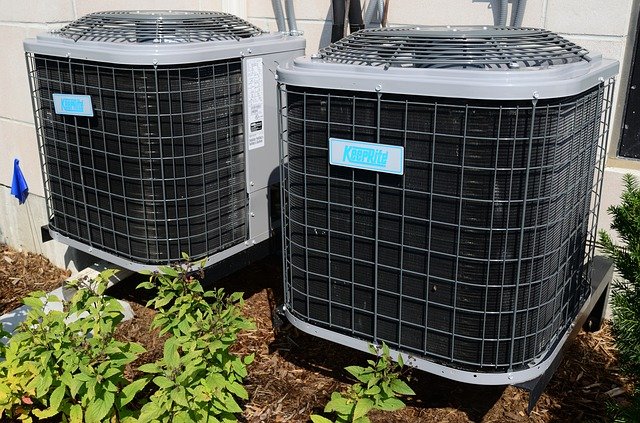
Benefits of Hiring a Professional AC Home Service

There are many benefits to hiring a professional AC home service, but the most important one is that they will make sure your system continues to work.

Many people try DIY projects when their air conditioning unit breaks down in the summer heat, but this can often result in more damage and costlier repairs. This is mainly because most homeowners do not know how to service aircon units. Here are some of the benefits of hiring a professional AC service.

Hiring a Professional AC Service Will Help You Save Time and Money

fixThe first benefit of hiring a professional AC service is saving time. A professional service knows how to properly diagnose and fix your AC unit, which means they can do it quickly and efficiently. This will save you from having to spend hours trying to figure out what is wrong with your AC or from having to call multiple services to find someone who can help.

You will also save money by hiring a professional service. A professional will be able to fix your AC unit quickly and correctly, which means you will not have to spend money on unnecessary repairs or replacements. Additionally, a professional service can help you maintain your AC unit to run more efficiently and last longer. This will save you money in the long run.

A Professional Will Know Exactly What to Do

You may also want to hire a professional AC home service because they will know exactly what to do. You’ll be able to sit back, relax, and watch the job get done without having any guesswork involved. Although professionals may make it seem easy, it’s not always the case. It takes a lot of experience and expertise to handle any AC repair or installation job, so you can be sure that your home is in good hands.

A professional service will also have all the necessary tools and equipment for the job, which means they won’t waste time going back and forth for the essential supplies. This can save you a lot of time and hassle, not to mention money.

Professionals Are Trained in the Latest Technology

acWith the advancement of technology, more and more choices for air conditioning systems are on the market. Professionals who work in this industry are up-to-date on the latest technology and can help you choose an AC system that is best suited to your needs, as well as install it properly. They may also have some innovative ideas about making your home more energy efficient by using your AC.

For example, some people may not realize that you can use the technology in the latest smart thermostats. This can set up programmed temperature settings for different times of day and week. Depending on the time or whether anyone is home, the air conditioning will automatically turn off when no one needs it.

Your home is among the most important investments you will ever make. It’s worth spending a little more on hiring professional and licensed contractors for your AC maintenance.…

Six Tips to Sell a House

If you are thinking about selling your house, then you should be following these six tips to ensure that the process is as smooth and profitable as possible. This post will go over everything from setting your asking price to determining when to put your home on the market. We will also discuss how to keep the sale process moving along without too many bumps in the road!

Sell Your House to a Landlord

Landlords can be considered property collectors because most of them have this mindset, “we buy houses in any condition, so sell it to us!” and you can take advantage of that to sell your house fast.

Make Repairs and Updates as Necessary

for saleIf you want to sell your house quickly, then you need to ensure that it is in the best possible shape before putting it on the market. Repairs and updates are great ways of ensuring success! You will have a much better chance of selling your house quickly if it is clean, clutter-free, and staged appropriately. Make sure you de-clutter before putting your home on the market and take care of any necessary repairs!

Sell Your House to a Real Estate Investor

Your house is a gold mine in the eyes of a real estate investor. They will see all of the potentials in your home and be willing to work with you on a price that is fair for everyone involved.

Put Your House on the Market at the Right Time

Timing is everything when it comes to selling your house, so make sure you are putting your home on the market during the right season!

Sell Your House for Cash

paymentIf you have a property and need money, then selling it quickly is the best option because the longer it sits there with no one buying it, the more trouble you could be in! In order to avoid any problems when trying to sell an empty home or vacant land, you should go with the cash deal.

Price Your House Appropriately

Please don’t set your asking price too high or too low because it will only lead to problems down the road. You want to find a happy medium that will attract buyers without repelling them. It’s better to research what similar homes are selling for in your area and price your home accordingly.


The Takeaway

Not everyone can afford to sell their house at full price. If you are looking to get the most money possible for your home, then these tips should help!…

How to Make a Delicious Home Made Coffee

Coffee is a drink that people love to enjoy in the morning. It can help wake you up and get your day started, but it’s important to know how to make it well. There are many reasons why people drink homemade coffee, one of which is increasing productivity. Automatic coffee machines are now available to make homemade coffee easier. Here is how you can make delicious homemade coffee.

Buy a High-Quality Coffee Maker

Coffee MakerThe first thing you will need to do is buy a high-quality coffee maker. You don’t want to be brewing your own drink with something that is old. There are many coffee makers that you can easily purchase in the stores. Investing in a good machine will make sure that your drink tastes great every time and makes it easy for you to brew.

Grind Some Fresh Beans

The next step is to grind some fresh beans. You can purchase pre-ground coffee, but it won’t taste as good as ground the beans yourself. If you have a grinder at home, use that. If not, most grocery stores sell whole beans and will grind them for you right before you buy them. Fresh beans are important because they are not stale, which will allow you to make the perfect coffee every time.

Measure the Amount of Coffee

Coffee MakerNow that everything is set up, it’s time to measure the coffee. You will need about two tablespoons of ground beans for every six ounces of water. So if your cup is eight ounces, use four tablespoons and so on. Be sure not to make too much or too little! If you don’t want a ton of leftovers, make sure only to make what you will drink right then and there.
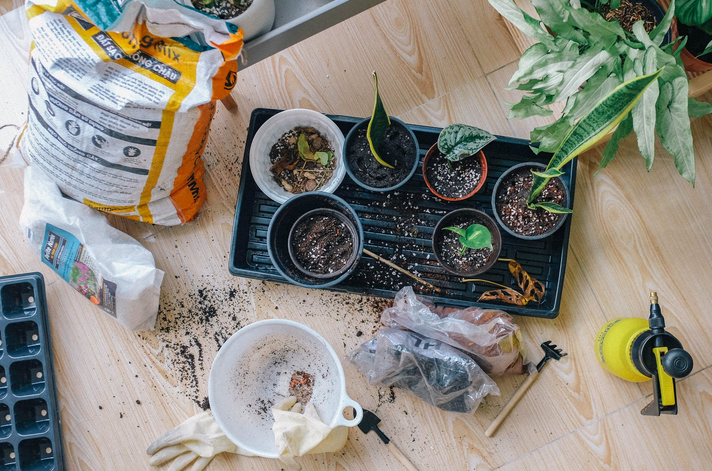
Use Filtered Water

The next step is to use filtered water. This is important because you don’t want any bad flavors or chemicals in your coffee. If you don’t have a filter, you can purchase one for a few dollars at most stores. You could also use bottled water if you would like, but be sure to check the ingredients list because some brands add chemicals.


Use an Airtight Container

Now that you have your water and coffee ready to go, it’s time for the next step. You will need an airtight container to store them in while they brew. If you don’t already own one, then get a storage jar or other type of meshed covered cup. The idea is that if oxygen can get out, but nothing can get in, then you will have the perfect cup of coffee.

If you are looking for a more affordable option, coffee beans are available at most grocery stores. All you need to make your own brew is some water and ground coffee beans! Add two tablespoons of coarsely ground coffee to boiling or filtered water in the mug. Stir it with a spoon until the grounds dissolve completely. Allow it to sit for about three minutes before drinking so that the flavor can fully develop. Enjoy your homemade cup of coffee.

 …

Backyard Gardening Tips and Ideas for Your Next Home Project

Backyard gardening can be a lot of fun but also a big hassle. It doesn’t have to be that way, though! In this blog post, we’ll go over some helpful tips and ideas for your next backyard project. If you’re looking for a few new projects to try out in the yard or garden like a garden lighting or a new patch then check these out:

Make a Vegetable Garden

watering plantsConsider planting vegetables instead of flowers so you can get more from your space. Fresh veggies are good for your health and immune system. Here are some tips on veggies:

  • Vegetables require more water and sunlight than flowers. Make sure to choose suitable vegetables for your area; if you live in a cooler climate, make sure they can handle cold weather.
  • It is also important to note that some veggies may take longer than others, so be patient!
  • Some vegetables may need to be started indoors before planting outdoors.
  • Do your research on which veggies suit you best! Vegetables are not created equal, and the soil type, climate, sunlight conditions all must be considered in order for them to thrive.

Doing this will enable you to reach cost-effectiveness and convenience, so you won’t have to spend too much time and resources to get your daily dose of vegetables from the supermarket.

Plant Lavender as Natural Pest and Insect Repellent

Plant lavender around your house to help deter pests and insects, such as mosquitoes, flies, and moths. Lavender acts as nature’s pest and insect repellent, so you won’t have to worry about applying harmful chemicals both inside and outside of your home.

Planting garlic around the perimeter of your house is also a great way to help deter pests from entering in the first place, as well as keeping mosquitoes away during the summer months. Garlic acts naturally against not just insects but rodents too, such as mice, rats, and squirrels, which will help keep your garden safe.

Create an Herb Garden for Convenient Cooking

a gardener in green houseCreate an herb garden with thyme, mint, and basil for convenient cooking ingredients. You will need to be mindful of a few things before setting up your herb garden:

  • Pick a spot that gets at least six hours of sunlight per day.
  • Make sure the area is flat and sits above ground level to prevent too much moisture from accumulating in your soil. If you’re starting a garden on a rooftop, consider using raised beds filled with cedar or redwood planks instead of dirt for better.
  • Choose the right plants. Some herbs, such as spearmint and lemon balm, can grow up to three feet high if not kept in check. If you’re working with a small space or don’t want your garden to take over the whole yard, opt for smaller varieties of mint instead.

The Bottom Line

There are plenty of ideas to start your own little garden in your backyard or on your rooftop. You can choose to plant vegetables, such as carrots and tomatoes, or you could go with herbs for cooking. Either way, it will be a lovely addition to your home and provide you with some extra food in case of an emergency where the supermarket prices skyrocket due to supply shortages!…