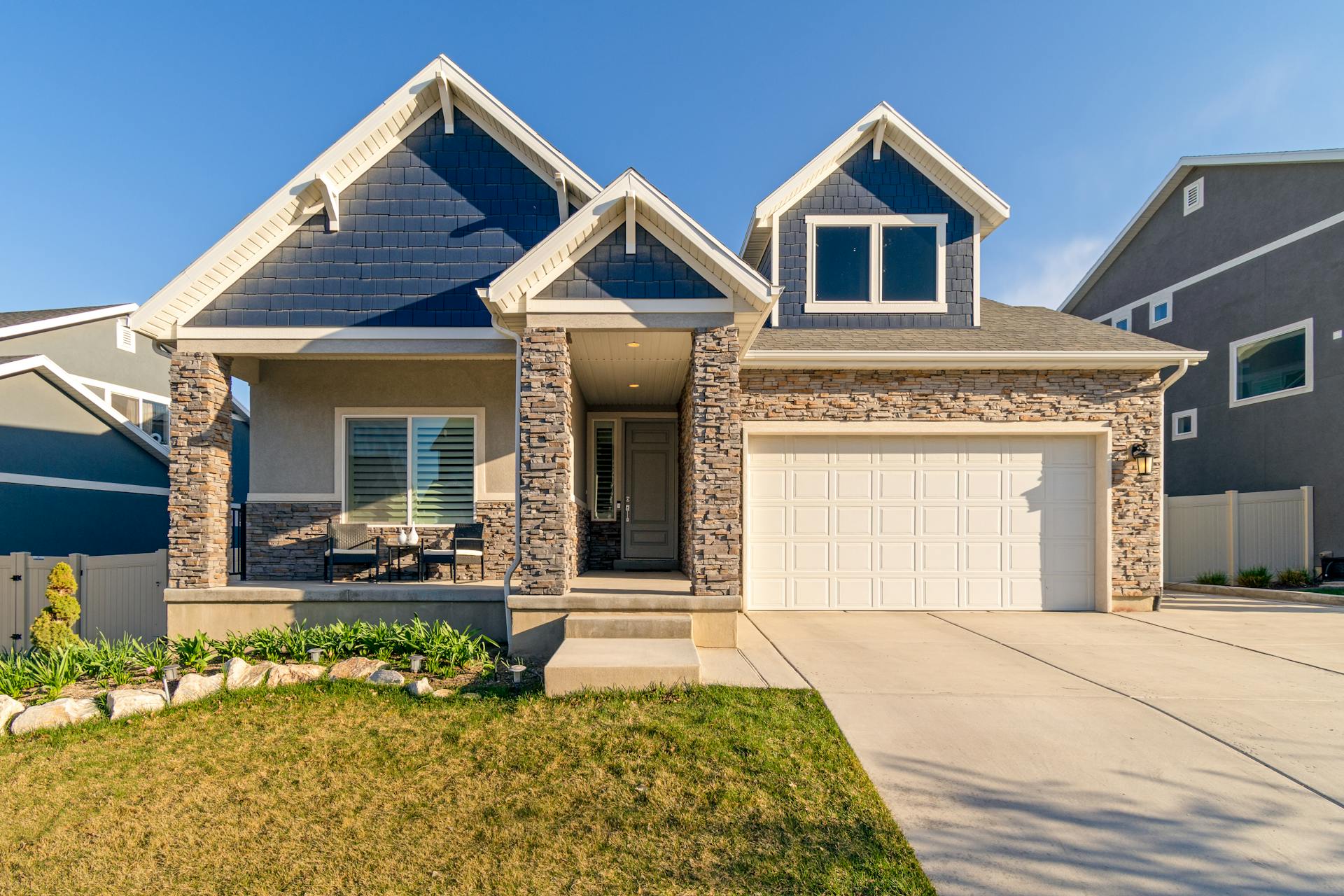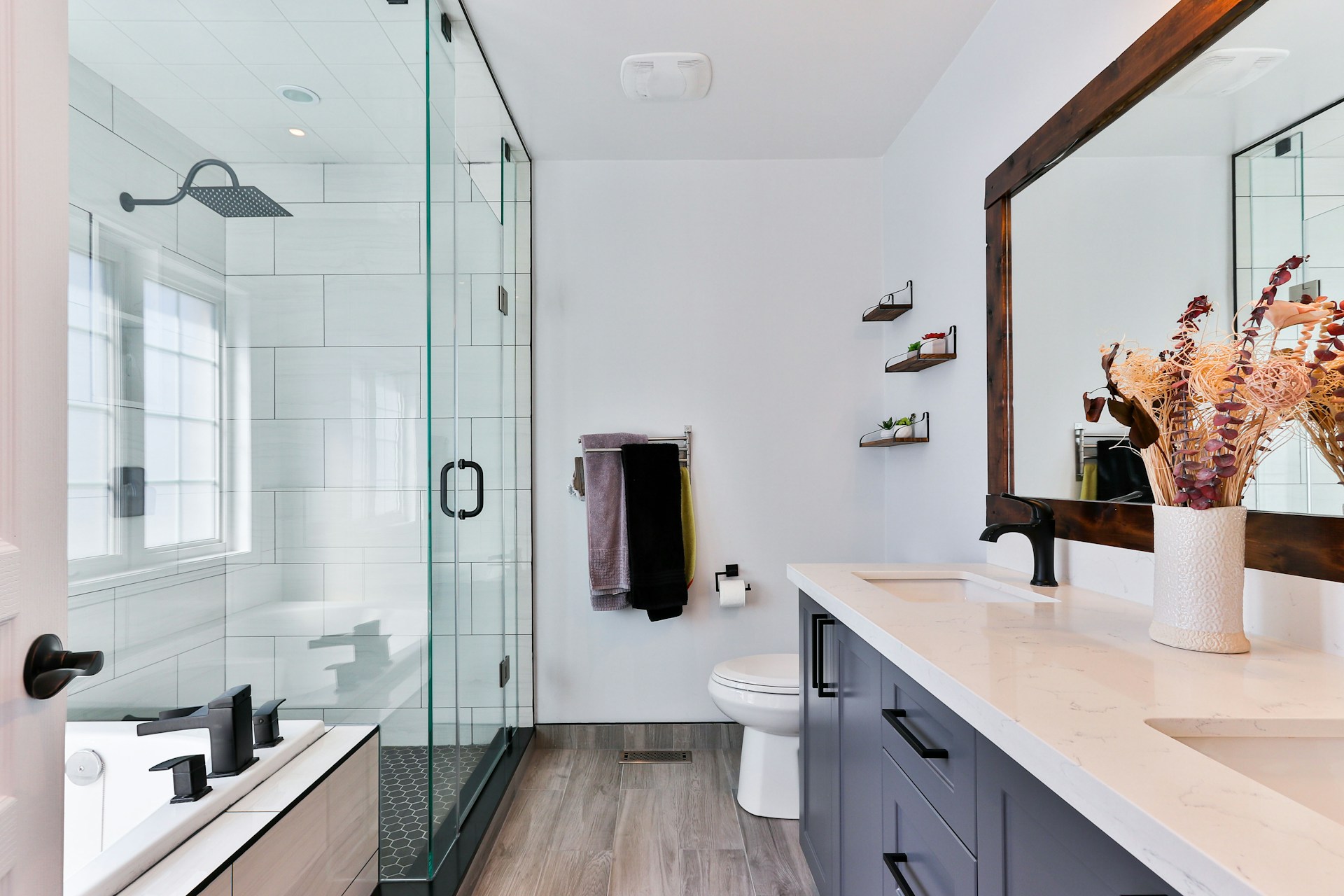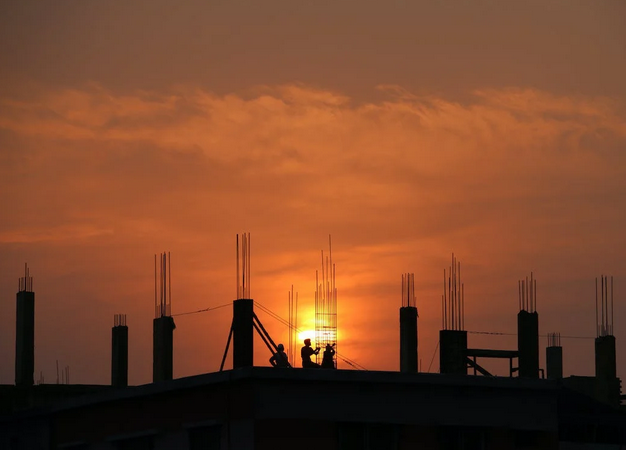
In the realm of construction, the allure of high-end materials is undeniable. The promise of opulence, durability, and prestige often accompanies these materials, yet their expense raises pertinent questions about balancing luxury with affordability. For example, Bauherrenhilfe specializes in curating luxurious spaces while navigating the delicate balance between opulence and cost-efficiency. It understands that high-end materials contribute significantly to a property’s allure, yet they approaches luxury with a strategic mindset that emphasizes both sophistication and financial prudence. Let’s embark on a journey into the cost analysis of high-end construction materials, exploring the delicate equilibrium between luxury and financial feasibility.
High-End Construction Materials

High-end materials evoke images of sophistication and exclusivity. From premium woods and marbles to designer fixtures and innovative technologies, these materials offer unparalleled aesthetics and often boast superior quality and longevity.
The Initial Investment
One of the defining features of high-end materials is their elevated cost. The initial investment for these materials can significantly surpass conventional alternatives, attributing a premium to the exclusivity and quality they promise.
Value Beyond Cost: Unveiling Long-Term Benefits
Despite their high upfront costs, high-end materials often offer value beyond their price tag. Superior durability, reduced maintenance, and increased property value can contribute to long-term cost savings and elevated resale potential.
Strategic Selection: Balancing Quality With Budget

Navigating the realm of high-end materials involves strategic decision-making. Architects and homeowners must weigh the allure of luxury against their budget constraints, selecting materials that strike a balance between opulence and financial prudence.
Comparative Analysis: Evaluating Cost-Effectiveness Across Materials
A comprehensive analysis comparing high-end materials with their standard counterparts sheds light on their cost-effectiveness. This scrutiny involves assessing durability, maintenance requirements, lifecycle costs, and overall return on investment. Innovations in construction technologies offer a new dimension to high-end materials. Advanced materials may present cost-effective alternatives, providing luxury and quality while optimizing costs through efficiency and sustainability.
Market Trends and Demand: Influencing Cost Dynamics

Market demand and trends also shape the cost of high-end materials. Fluctuations in demand, availability, and exclusivity contribute to their pricing, highlighting the intersection between luxury, supply, and demand economics. High-end materials often serve as architectural statements, elevating property aesthetics and value. Their allure can attract discerning buyers, contributing to increased resale value, thereby justifying their initial expense.
The realm of high-end construction materials intertwines luxury with the realities of budgeting and affordability. While their initial cost might seem steep, a nuanced analysis reveals the potential for long-term cost-effectiveness and enhanced value. By strategically balancing opulence with financial prudence, homeowners and architects can craft spaces that embody luxury without compromising fiscal sensibility.