
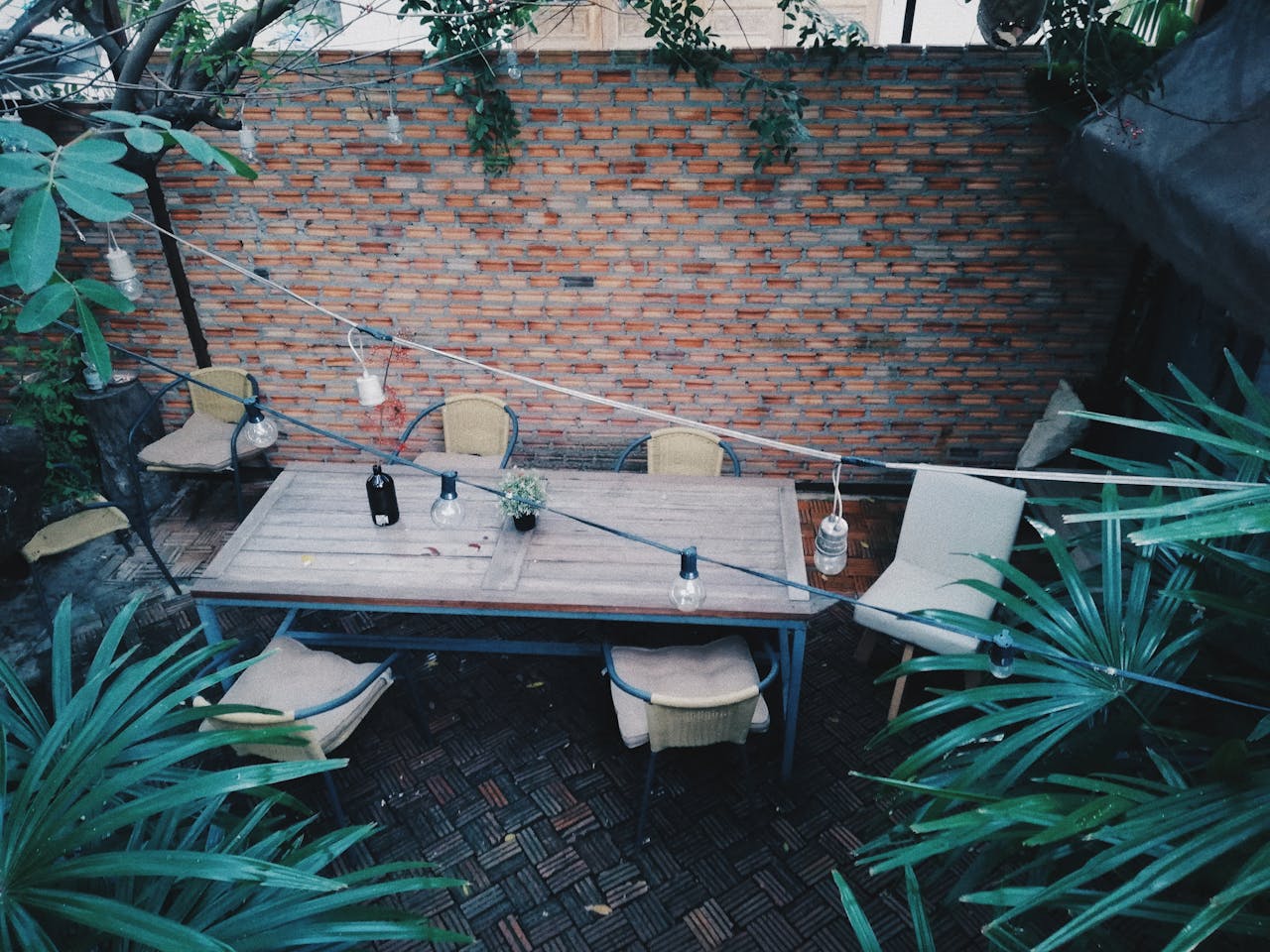
Your backyard should feel like an extension of your home. Choosing the right style modern or rustic can shape how that space feels and functions. It’s not just about appearance. It’s about creating a space that fits your lifestyle and complements your home’s architecture. Thoughtful backyard upgrades for a peaceful vibe can make all the difference. Let’s break down the two popular styles and help you decide which works best for your outdoor space.
Understand the Core of Each Style
Modern backyards focus on clean lines, open layouts, and minimal detail. Think sleek materials like concrete, metal, or smooth wood. Neutral colors dominate. It’s about simplicity and precision. Rustic backyards, on the other hand, embrace warmth and texture. Natural materials, vintage elements, and soft finishes define this look. Stone, weathered wood, and earthy tones come together to create a cozy, relaxed feel. Both have strong visual identities. Choosing one that echoes your home’s design will create visual flow and comfort.
Consider the Architecture of Your Home
Start by stepping outside and taking a good look at your house. A contemporary or mid-century modern home often pairs well with a modern outdoor design. Clean, geometric landscaping will mirror the house’s lines. If your home is a cottage, or farmhouse, or has traditional detailing, a rustic backyard can enhance its charm. Rustic features help the yard feel like a natural part of the home, rather than a disconnected add-on. Matching style and structure makes everything feel intentional. That’s the foundation of good design.

Think About How You Use the Space
Your lifestyle plays a big role in the design you choose. Do you entertain often? A modern style may offer better flow and space for large gatherings. Open patios, modular seating, and integrated lighting make it practical and stylish. If your backyard is more for quiet evenings or family time, rustic might serve you better. It invites comfort. Think wooden benches under trees, stone pathways, and soft garden lights. Your daily habits should guide the feel of your backyard, not just current trends.
Material Choices Make the Difference
Modern styles often use polished surfaces. Concrete pavers, metal edging, and glass railings are common. The goal is a clean, uncluttered space. Modern furniture is simple and functional. Rustic design leans into imperfect textures. Reclaimed wood, flagstone, and natural fabrics work well. The style supports age and weathering, making it easy to maintain over time. Both styles offer durable options. The key is choosing materials that match not only the style but also the climate and how much maintenance you’re comfortable with.
Plants Set the Tone
In modern backyards, landscaping tends to be restrained. Repetition, symmetry, and clean borders define the plant layout. Low-maintenance species with architectural forms are often chosen. Rustic gardens allow for more freedom. Mixed flower beds, herbs, and native species add color and variety. Wild edges and natural flow make the space feel organic and inviting. The planting style you choose can either sharpen or soften the yard’s look. It has the power to define mood and rhythm.
Blend When Necessary
Sometimes, a pure modern or rustic style won’t work. That’s okay. Your home might have elements of both. In that case, blending styles can lead to something truly unique. You can pair a concrete patio with wood furniture. Add a modern fire pit beside a rustic stone wall. It’s about balance. Just ensure one style doesn’t overpower the other.
In Conclusion
Transitions between materials, colors, and textures should feel smooth. The goal is a backyard that feels natural next to your home and meets your needs with the utmost harmony. Choosing between modern and rustic isn’t just a design choice it’s a decision that affects how you experience your home every day. Look at your architecture, lifestyle, and preferences. Then commit to a direction that feels right. The best backyard style is one that brings out the best in your home and invites you to spend time outside, comfortably and confidently.…
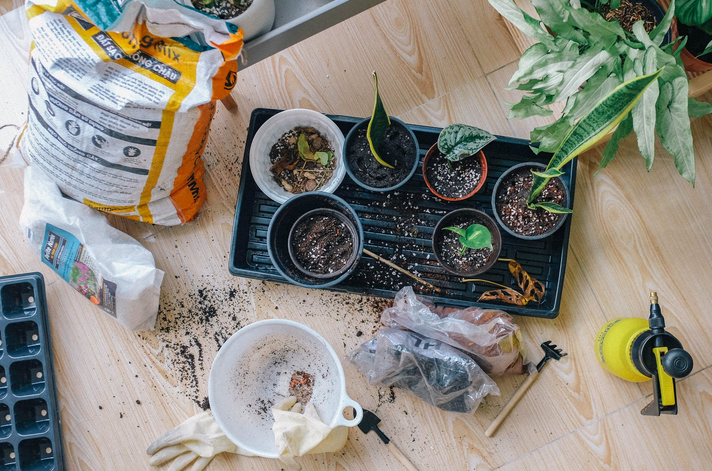
 Consider planting vegetables instead of flowers so you can get more from your space. Fresh veggies are good for your health and immune system. Here are some tips on veggies:
 Create an herb garden with thyme, mint, and basil for convenient cooking ingredients. You will need to be mindful of a few things before setting up your herb garden: