

Gardening is a great way to get outside and enjoy the fresh air, even in winter. Not only that, but it’s a perfect way to take care of your plants and prepare your garden for the spring. So before you start feeling sad, anxious, or stressed out this winter, let’s get gardening. There are tons of fun DIY garden activities that can help brighten up your day and take care of your outdoor space. One fun fact is that doing these garden activities can add more value to your home. Check out urdesignmag.com to learn more about this fact. We’re going to share some fun DIY garden activities you can do in winter to keep yourself busy and help your garden thrive.
Building a Cold Frame

Are you concerned with how your plants will make it through the winter? The perfect solution is to build a cold frame. A cold frame is basically a mini greenhouse that keeps temperatures warmer for your plants, allowing them to survive the colder months.
This simple structure helps protect tender plants from the elements and gives them enough warmth and light to survive. All you need are salvaged building materials like wood, glass, or plastic sheeting, hinges, and nails. Once built, you can open it up during the day to give your plants some sun, then close it at night to trap any warm air and protect them from cold temperatures.
Mulching Your Garden Beds
Another way to keep your garden beds healthy in winter is with mulch. Mulch acts as a layer of insulation for the soil, conserving moisture and protecting roots from the chilly winter air. Not only that, but it’s an excellent way to suppress weeds and enrich your soil with beneficial nutrients. So grab your shovel and get mulching. What can be better than spending a day outside building up your soil for next season?
Making Winter Wreaths
Gardening isn’t just about taking care of your plants. It’s also about adding beauty and color to your outdoor space. So why not spend the day making winter wreaths with materials from your garden? Forage for evergreen branches and dried flowers to create a festive winter wreath that you can hang on your door or window. Not only will it brighten up your outdoor space, but it’s also a great way to preserve garden materials for use later in the year. What’s more, you’ll surely get plenty of compliments when your neighbors walk by.
Starting Planting Your Spring Flowers
 Winter may seem like the last thing you want to think about when gardening, but it’s an ideal time for planting spring flowers. Planting bulbs in winter will give them plenty of time to establish root systems before the warmer weather arrives. So take a trip to your local garden center and pick out some tulips, daffodils, and other spring flowers you’d like to add to your garden.
Planting bulbs in winter is an excellent way to jump-start the gardening season and give yourself something to look forward to in the coming months. Gardening in winter doesn’t have to be a chore. With these fun DIY activities, you can keep busy and take care of your garden simultaneously. So bundle up and get outside. Who knows? You might even enjoy yourself. Moreover, it can be such a rewarding experience to see the results of your hard work in spring. So don’t let the winter blues take over, use these ideas to get outside and enjoy your garden this winter.…
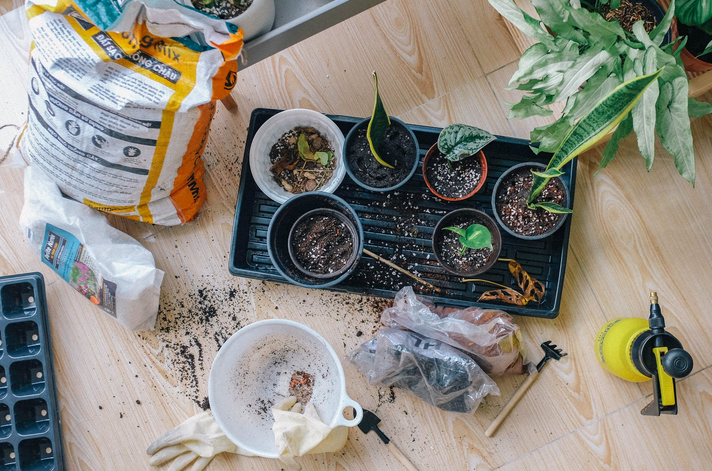
 Consider planting vegetables instead of flowers so you can get more from your space. Fresh veggies are good for your health and immune system. Here are some tips on veggies:
 Create an herb garden with thyme, mint, and basil for convenient cooking ingredients. You will need to be mindful of a few things before setting up your herb garden: