Modern vs. Rustic: Choosing a Backyard Style That Matches Your Home

Your backyard should feel like an extension of your home. Choosing the right style modern or rustic can shape how that space feels and functions. It’s not just about appearance. It’s about creating a space that fits your lifestyle and complements your home’s architecture. Thoughtful backyard upgrades for a peaceful vibe can make all the difference. Let’s break down the two popular styles and help you decide which works best for your outdoor space.

Understand the Core of Each Style

Modern backyards focus on clean lines, open layouts, and minimal detail. Think sleek materials like concrete, metal, or smooth wood. Neutral colors dominate. It’s about simplicity and precision. Rustic backyards, on the other hand, embrace warmth and texture. Natural materials, vintage elements, and soft finishes define this look. Stone, weathered wood, and earthy tones come together to create a cozy, relaxed feel. Both have strong visual identities. Choosing one that echoes your home’s design will create visual flow and comfort.

Consider the Architecture of Your Home

Start by stepping outside and taking a good look at your house. A contemporary or mid-century modern home often pairs well with a modern outdoor design. Clean, geometric landscaping will mirror the house’s lines. If your home is a cottage, or farmhouse, or has traditional detailing, a rustic backyard can enhance its charm. Rustic features help the yard feel like a natural part of the home, rather than a disconnected add-on. Matching style and structure makes everything feel intentional. That’s the foundation of good design.

table

Think About How You Use the Space

Your lifestyle plays a big role in the design you choose. Do you entertain often? A modern style may offer better flow and space for large gatherings. Open patios, modular seating, and integrated lighting make it practical and stylish. If your backyard is more for quiet evenings or family time, rustic might serve you better. It invites comfort. Think wooden benches under trees, stone pathways, and soft garden lights. Your daily habits should guide the feel of your backyard, not just current trends.

Material Choices Make the Difference

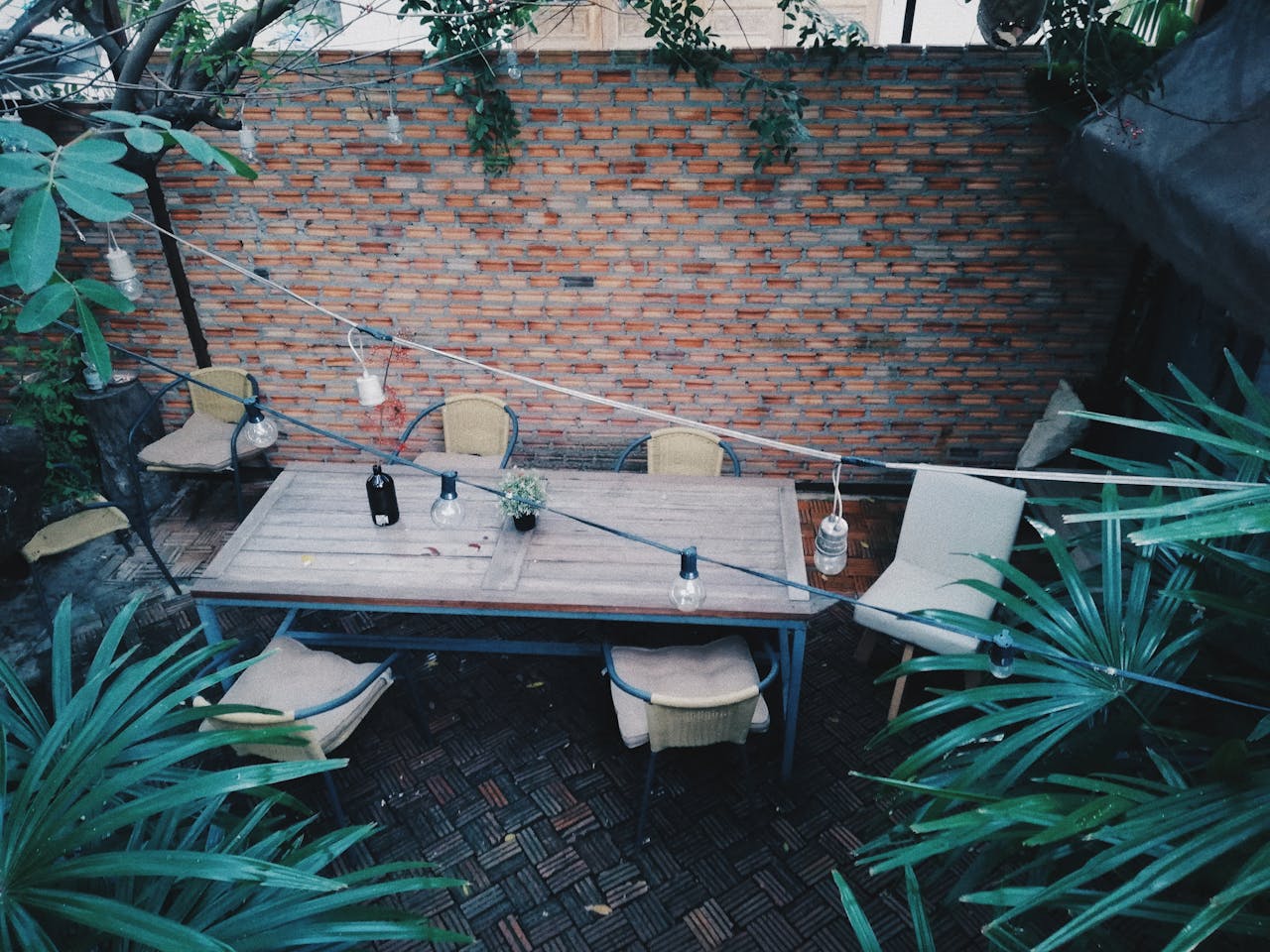
Modern styles often use polished surfaces. Concrete pavers, metal edging, and glass railings are common. The goal is a clean, uncluttered space. Modern furniture is simple and functional. Rustic design leans into imperfect textures. Reclaimed wood, flagstone, and natural fabrics work well. The style supports age and weathering, making it easy to maintain over time. Both styles offer durable options. The key is choosing materials that match not only the style but also the climate and how much maintenance you’re comfortable with.

Plants Set the Tone

In modern backyards, landscaping tends to be restrained. Repetition, symmetry, and clean borders define the plant layout. Low-maintenance species with architectural forms are often chosen. Rustic gardens allow for more freedom. Mixed flower beds, herbs, and native species add color and variety. Wild edges and natural flow make the space feel organic and inviting. The planting style you choose can either sharpen or soften the yard’s look. It has the power to define mood and rhythm.


Blend When Necessary

Sometimes, a pure modern or rustic style won’t work. That’s okay. Your home might have elements of both. In that case, blending styles can lead to something truly unique. You can pair a concrete patio with wood furniture. Add a modern fire pit beside a rustic stone wall. It’s about balance. Just ensure one style doesn’t overpower the other.

In Conclusion

Transitions between materials, colors, and textures should feel smooth. The goal is a backyard that feels natural next to your home and meets your needs with the utmost harmony. Choosing between modern and rustic isn’t just a design choice it’s a decision that affects how you experience your home every day. Look at your architecture, lifestyle, and preferences. Then commit to a direction that feels right. The best backyard style is one that brings out the best in your home and invites you to spend time outside, comfortably and confidently.…
Reasons Homeowners Shouldn’t Ignore Minor HVAC Problems

Every homeowner knows that a comfortable living space is essential for a happy daily life. However, many tend to brush them aside when it comes to HVAC issues—especially the minor ones. A little noise here, a slight temperature fluctuation there; how bad can it really be? But those seemingly insignificant problems can snowball into much larger headaches if left unchecked.

Understanding the potential consequences of ignoring these small signs could save you time, money, and stress in the long run. But if you plan on starting an HVAC company soon, you should consider hiring professionals to help you market effectively. HVAC Marketing Agencies provide services that can help you grow your business. Now, let’s dive into why addressing minor HVAC problems is crucial for every homeowner.

Cost Escalation

Ignoring minor HVAC issues can lead to skyrocketing costs. What starts as a small repair can quickly become a major expense if not addressed promptly. For instance, a slight refrigerant leak may seem trivial. However, it can cause your system to work harder, increasing energy bills and further damage over time. The more stress you place on the unit, the more likely it is that significant components will fail. Furthermore, waiting too long for repairs often means dealing with emergency situations later. Emergency services typically come with premium charges that far exceed routine maintenance costs.

Comfort Issues

Ignoring minor HVAC issues can lead to significant comfort problems in your home. You might notice uneven temperatures from room to room. Some areas could feel stuffy, while others are too chilly. When the system struggles with small malfunctions, airflow becomes disrupted. This inconsistency can make it hard for you and your family to find that perfect temperature balance. Beyond just physical discomfort, these fluctuations can affect your mood and productivity. A comfortable living space is essential for relaxation after a long day or enjoying time with loved ones.

Comfort Issues

System Efficiency

Ignoring minor HVAC issues can have a direct impact on system efficiency. Even slight problems, like a dirty filter or an uncalibrated thermostat, can force your unit to work harder than necessary. When components are not functioning optimally, energy consumption rises. This means higher utility bills each month. Over time, small inefficiencies accumulate and lead to significant costs. Moreover, an inefficient HVAC system struggles to maintain consistent temperatures. You might adjust the settings more often or deal with uncomfortable hot and cold spots throughout your home.

Safety Concerns

Ignoring minor HVAC problems can lead to serious safety risks. A small issue today might turn into a major hazard tomorrow. For example, a malfunctioning furnace can emit dangerous carbon monoxide gas. This silent killer is colorless and odorless, making it extremely hard to detect without proper equipment. Regular maintenance ensures that all components are functioning safely. Ductwork issues can also pose threats. Leaky ducts reduce efficiency and can introduce harmful pollutants into your home’s air supply.


Impact on Home Value

Ignoring minor HVAC issues can significantly impact your home’s value. Prospective buyers often conduct thorough inspections. Visible signs of neglect in your heating and cooling systems can raise red flags. A well-maintained HVAC system is a selling point. It assures potential homeowners that they won’t face immediate repair costs or discomfort after moving in. A neglected system may deter buyers or lead them to offer less money. In competitive markets, even small problems can make a difference.

Ignoring minor HVAC problems can lead to many issues that extend beyond just the immediate inconvenience. Homeowners should recognize that these small annoyances can snowball into larger, more costly repairs if left unaddressed. Addressing even the smallest HVAC issue can save time, money, and stress while providing peace of mind for homeowners who prioritize their living space’s safety and functionality. Taking proactive steps now will yield benefits for years to come.…

Off-Grid Living in a Prefabricated Home: How to Create a Self-Sufficient Lifestyle

Imagine living in a home where you are completely self-sufficient, relying on nature’s resources and modern technology to meet all your needs. Off-grid living in a prefabricated home can turn this dream into a reality. According to houzz, combining the efficiency and convenience of prefab homes with the freedom and sustainability of off-grid living offers a unique lifestyle choice. In this article, we’ll explore how to create a self-sufficient lifestyle in a prefabricated home and the steps you can take to make it happen.

Understanding Off-Grid Living

Off-grid living means living independently from public utilities. It involves generating your own power, collecting and managing your own water, and often growing your own food. This lifestyle emphasizes sustainability, self-reliance, and minimizing your environmental impact. When paired with a prefabricated home, which offers modern, efficient construction methods, off-grid living becomes a practical and achievable goal.

Understanding Off-Grid Living

Why Choose a Prefabricated Home for Off-Grid Living?

Prefabricated homes are an excellent choice for off-grid living for several reasons:

1. Efficient Construction

Prefabricated homes are built in sections or modules in a factory before being transported to the site. This efficient construction process means less waste and a faster build time, which is ideal for off-grid setups where traditional construction can be more challenging.

2. Modern Technology

Many prefabricated homes come with the latest in energy-efficient technology, which is crucial for off-grid living. Features like high-performance insulation, energy-efficient windows, and pre-installed solar panel systems can make the transition to an off-grid lifestyle smoother.

3. Customization

Prefab homes offer a range of customizable options that can be tailored to suit off-grid needs. You can select features that align with sustainable living practices, such as rainwater collection systems or composting toilets.

Steps to Create a Self-Sufficient Off-Grid Lifestyle

Power Your Home

Generating your own power is a cornerstone of off-grid living. Here are some common methods:

  • Solar Panels: Install solar panels to capture sunlight and convert it into electricity. Modern solar technology has made it easier than ever to power your home with renewable energy.
  • Wind Turbines: If you live in a windy area, a wind turbine can complement your solar system and provide additional power.
  • Backup Generators: Consider a backup generator for times when solar or wind power might be insufficient, especially during cloudy days or calm periods.

Manage Water Resources

Water management is crucial for off-grid living. Here’s how to ensure a steady supply:

  • Rainwater Collection: Install rain barrels or a larger rainwater collection system to capture and store rainwater. This water can be used for drinking, cooking, and irrigation.
  • Well water: If your property has access to groundwater, drilling a well can provide a reliable water source.
  • Water Filtration: Invest in a high-quality water filtration system to ensure your water is clean and safe for consumption.

Create a Sustainable Waste Management System

Handling waste responsibly is key to maintaining a self-sufficient lifestyle:

  • Composting Toilets: These toilets break down waste into compost, which can be used as a natural fertilizer for your garden.
  • Greywater Systems: Recycle greywater (from sinks and showers) for irrigation and other non-potable uses. Ensure your system is designed to handle your household.

Grow Your Own Food

Growing your own food can reduce your reliance on external supplies and provide fresh, healthy produce:

  • Garden Space: Allocate space for a vegetable garden, herbs, and fruit trees. Raised beds or container gardening can be great options if you have limited space.
  • Greenhouses: A greenhouse can extend your growing season and protect plants from harsh weather conditions.
  • Aquaponics or Hydroponics: These systems allow you to grow plants using nutrient-rich Water, which can be especially useful if you have limited soil.

house

Benefits of Off-Grid Living in a Prefabricated Home

Choosing to live off-grid in a prefabricated home offers several benefits:

  1. Reduced Environmental Impact: By generating your own power, managing waste responsibly, and growing your own food, you reduce your reliance on external resources and lower your carbon footprint.
  2. Increased Self-Sufficiency: Off-grid living fosters a sense of independence and self-reliance. You’ll have more control over your resources and daily life, leading to greater personal satisfaction.
  3. Cost Savings: While the initial setup for off-grid systems can be an investment, over time, you’llyou’llmoney on utility bills and maintenance costs.

The Importance of Regular Gutter Maintenance: Protecting Your Home From Water Damage In Minneapolis

Minneapolis, known for its cold winters and heavy rainfall, requires homeowners to be proactive in protecting their properties from water damage. One crucial aspect of home maintenance is regular gutter upkeep. Gutters play a vital role in channeling rainwater away from your home’s foundation, preventing structural damage and potential flooding. In this article, we will discuss factors that highlight the importance of regular gutter maintenance in safeguarding your roofing twin cities mn from damage.

Prevention of Foundation DamagePrevention of Foundation Damage

Clogged or improperly functioning gutters can lead to water accumulation around your home’s foundation. Over time, this excess moisture can penetrate the foundation, causing cracks, shifting, and weakened structural integrity. Regular gutter maintenance, such as removing debris and inspecting for clogs, ensures that rainwater is effectively diverted away from your home.

Preservation of Siding and Exterior

Gutters that are not properly maintained can overflow, leading to water cascading down the sides of your home. This continuous water flow can cause significant damage to your siding, leading to rot, mold growth, or peeling paint. By regularly cleaning and checking your gutters, you can prevent overflow and ensure that water is directed away from the exterior of your home, preserving its aesthetic appeal and structural integrity.

Prevention of Basement Flooding

In Minneapolis, where heavy rainfall is common, proper gutter maintenance is crucial for preventing basement flooding. If gutters are clogged or damaged, water can overflow and seep into the foundation, eventually finding its way into your basement. Regularly clearing debris from your gutters and ensuring downspouts are clear and directed away from the foundation can significantly reduce the risk of basement flooding.

Protection Against Roof Damage

Protection Against Roof DamageGutters are designed to collect and redirect water from your roof. However, if gutters are poorly maintained, they can become clogged with leaves, twigs, or other debris. This blockage can cause water to pool on your roof, leading to issues such as roof leaks, rotting, or ice dam formation during winter months.

By regularly cleaning and inspecting your gutters, you can ensure that water flows freely off the roof, preserving its overall condition and lifespan. Regular gutter maintenance is a crucial aspect of protecting your home from water damage in Minneapolis. By preventing foundation damage, preserving siding and the exterior, preventing basement flooding, and protecting against roof damage, regular gutter upkeep helps maintain the structural integrity of your home. It is recommended to clean your gutters at least twice a year, inspect for damage or leaks, and ensure downspouts are properly positioned.…

4 Types of Window Openers: How to Choose the Right One for Your Home

Window openers are a great way to make your life easier. They allow you to open and close your windows with the press of a button without going outside. The window opener is available on the market, so it can be challenging to decide which one is right for you. This blog post will discuss the 4 most common types of window openers and help you choose the right one for your home.

Side Hung Window Opener

open windowSide hung window openers are the most common type of opener. They are operated by a handle attached to the side of the window. Side hung window openers are easy to install and use, and they are relatively inexpensive. However, if you live in an area with high winds, you may want to consider a different type of opener.

Top & Bottom Hung Window Openers

Top and bottom hung window openers are similar to side hung window openers, but they are operated by a handle attached to the top or bottom of the window. These types of openers are ideal for homes with large windows, as they allow you to open the entire window at once. They are also easy to install and use relatively inexpensive. Top and bottom hung window openers are not recommended for homes with high winds, as they can be difficult to operate in windy conditions.

Top Swing Arm Window Opener

The top swing arm window opener is an excellent choice for those who want an unobtrusive window opener. This is installed at the top of the window and swings out the way when not used. Top swing arm openers are available in both manual and automatic versions and the manual version is operated with a hand crank. In contrast, the automatic version is operated with a motor. Top swing arm openers are ideal for windows that are difficult to reach or have limited space around them. You can also use them on casement windows. The main downside of top swing arm window openers is that they can be less reliable than other types of openers. They are also more expensive than different types of window openers.

Tilt Turn Windows

outsideTilt turn windows are becoming increasingly popular in Europe and are slowly making their way over to the States. A tilt turn window is a single unit that can tilt inwards at the top for ventilation and open inwards from hinges at the side. This gives you the option of having a fully open window or just a crack for ventilation. If you’re in the market for a new window opener, it’s important to consider all of your options.

We’ve provided an overview of the 11 most common types of window openers so that you can choose the one best suited for your needs and home. Remember that not every type of opener will be available in every region, so be sure to consult with a local contractor or specialist to find out what’s available in your area. Have you decided on which type of window opener is right for you? Let us know in the comments below!…

Ways to Increase the Value of Your Home

If you’re looking to sell a home soon, then you should be thinking about how to maximize its value. There are many ways to do this, but not all of them will work for your specific situation. In this blog post, we’ll discuss different methods to increase home value so that when it comes time to sell it, you can get more money out of it.

Upgrade to High Demand Finishes

homeWhen it comes time to sell, one of the best things you can do is upgrade your finishes. If you have outdated materials or features in your home, buyers will be less likely to offer them. By upgrading to more modern and popular finishes, you’ll make your home more appealing to potential buyers. Some good examples of high-demand finishes are granite countertops, stainless steel appliances, and hardwood floors.

Invest In Energy Efficient Features

Another great way to increase the value of your home is by investing in energy-efficient features. These days, more and more buyers are looking for environmentally friendly homes and will save them money on their monthly utility bills. Some good examples of energy-efficient features include solar panels, tankless water heaters, and programmable thermostats. If you have any of these features in your home, make sure to highlight them when you’re putting them up for sale.

Spruce Your Landscaping In the Front and Backyard

Your landscaping is one of the first things that potential buyers will notice when they drive by your home, so it’s essential to make sure that you keep up with it. If there are dead plants in your yard or weeds poking out everywhere, then those won’t be very appealing for buyers and could even push them away from making an offer. An excellent way to improve your landscaping is by planting fresh flowers, adding new mulch, and trimming any overgrown trees or bushes. You can also add features like a patio or deck in the backyard to make it more appealing.


Cover Rough Spots With Fresh Coat of Paint

whiteOne of the quickest and easiest ways to increase the value of your home is by giving it a fresh coat of paint. This will cover up any rough spots or blemishes that may be visible, and it can make your home look much more appealing to buyers. If you’re thinking about painting your home, choose popular colors right now. You can also mimic the style of other homes in your neighborhood to make your house look more modern and put together.…
Benefits of Hiring a Professional AC Home Service

There are many benefits to hiring a professional AC home service, but the most important one is that they will make sure your system continues to work.

Many people try DIY projects when their air conditioning unit breaks down in the summer heat, but this can often result in more damage and costlier repairs. This is mainly because most homeowners do not know how to service aircon units. Here are some of the benefits of hiring a professional AC service.

Hiring a Professional AC Service Will Help You Save Time and Money

fixThe first benefit of hiring a professional AC service is saving time. A professional service knows how to properly diagnose and fix your AC unit, which means they can do it quickly and efficiently. This will save you from having to spend hours trying to figure out what is wrong with your AC or from having to call multiple services to find someone who can help.

You will also save money by hiring a professional service. A professional will be able to fix your AC unit quickly and correctly, which means you will not have to spend money on unnecessary repairs or replacements. Additionally, a professional service can help you maintain your AC unit to run more efficiently and last longer. This will save you money in the long run.

A Professional Will Know Exactly What to Do

You may also want to hire a professional AC home service because they will know exactly what to do. You’ll be able to sit back, relax, and watch the job get done without having any guesswork involved. Although professionals may make it seem easy, it’s not always the case. It takes a lot of experience and expertise to handle any AC repair or installation job, so you can be sure that your home is in good hands.

A professional service will also have all the necessary tools and equipment for the job, which means they won’t waste time going back and forth for the essential supplies. This can save you a lot of time and hassle, not to mention money.

Professionals Are Trained in the Latest Technology

acWith the advancement of technology, more and more choices for air conditioning systems are on the market. Professionals who work in this industry are up-to-date on the latest technology and can help you choose an AC system that is best suited to your needs, as well as install it properly. They may also have some innovative ideas about making your home more energy efficient by using your AC.

For example, some people may not realize that you can use the technology in the latest smart thermostats. This can set up programmed temperature settings for different times of day and week. Depending on the time or whether anyone is home, the air conditioning will automatically turn off when no one needs it.

Your home is among the most important investments you will ever make. It’s worth spending a little more on hiring professional and licensed contractors for your AC maintenance.…

Six Tips to Sell a House

If you are thinking about selling your house, then you should be following these six tips to ensure that the process is as smooth and profitable as possible. This post will go over everything from setting your asking price to determining when to put your home on the market. We will also discuss how to keep the sale process moving along without too many bumps in the road!

Sell Your House to a Landlord

Landlords can be considered property collectors because most of them have this mindset, “we buy houses in any condition, so sell it to us!” and you can take advantage of that to sell your house fast.

Make Repairs and Updates as Necessary

for saleIf you want to sell your house quickly, then you need to ensure that it is in the best possible shape before putting it on the market. Repairs and updates are great ways of ensuring success! You will have a much better chance of selling your house quickly if it is clean, clutter-free, and staged appropriately. Make sure you de-clutter before putting your home on the market and take care of any necessary repairs!

Sell Your House to a Real Estate Investor

Your house is a gold mine in the eyes of a real estate investor. They will see all of the potentials in your home and be willing to work with you on a price that is fair for everyone involved.

Put Your House on the Market at the Right Time

Timing is everything when it comes to selling your house, so make sure you are putting your home on the market during the right season!

Sell Your House for Cash

paymentIf you have a property and need money, then selling it quickly is the best option because the longer it sits there with no one buying it, the more trouble you could be in! In order to avoid any problems when trying to sell an empty home or vacant land, you should go with the cash deal.

Price Your House Appropriately

Please don’t set your asking price too high or too low because it will only lead to problems down the road. You want to find a happy medium that will attract buyers without repelling them. It’s better to research what similar homes are selling for in your area and price your home accordingly.


The Takeaway

Not everyone can afford to sell their house at full price. If you are looking to get the most money possible for your home, then these tips should help!…

How to Make a Delicious Home Made Coffee

Coffee is a drink that people love to enjoy in the morning. It can help wake you up and get your day started, but it’s important to know how to make it well. There are many reasons why people drink homemade coffee, one of which is increasing productivity. Automatic coffee machines are now available to make homemade coffee easier. Here is how you can make delicious homemade coffee.

Buy a High-Quality Coffee Maker

Coffee MakerThe first thing you will need to do is buy a high-quality coffee maker. You don’t want to be brewing your own drink with something that is old. There are many coffee makers that you can easily purchase in the stores. Investing in a good machine will make sure that your drink tastes great every time and makes it easy for you to brew.

Grind Some Fresh Beans

The next step is to grind some fresh beans. You can purchase pre-ground coffee, but it won’t taste as good as ground the beans yourself. If you have a grinder at home, use that. If not, most grocery stores sell whole beans and will grind them for you right before you buy them. Fresh beans are important because they are not stale, which will allow you to make the perfect coffee every time.

Measure the Amount of Coffee

Coffee MakerNow that everything is set up, it’s time to measure the coffee. You will need about two tablespoons of ground beans for every six ounces of water. So if your cup is eight ounces, use four tablespoons and so on. Be sure not to make too much or too little! If you don’t want a ton of leftovers, make sure only to make what you will drink right then and there.
Use Filtered Water

The next step is to use filtered water. This is important because you don’t want any bad flavors or chemicals in your coffee. If you don’t have a filter, you can purchase one for a few dollars at most stores. You could also use bottled water if you would like, but be sure to check the ingredients list because some brands add chemicals.


Use an Airtight Container

Now that you have your water and coffee ready to go, it’s time for the next step. You will need an airtight container to store them in while they brew. If you don’t already own one, then get a storage jar or other type of meshed covered cup. The idea is that if oxygen can get out, but nothing can get in, then you will have the perfect cup of coffee.

If you are looking for a more affordable option, coffee beans are available at most grocery stores. All you need to make your own brew is some water and ground coffee beans! Add two tablespoons of coarsely ground coffee to boiling or filtered water in the mug. Stir it with a spoon until the grounds dissolve completely. Allow it to sit for about three minutes before drinking so that the flavor can fully develop. Enjoy your homemade cup of coffee.

 …

Simple Guide to Reverse Osmosis Water Filtration System

The Environmental Protection Agency (EPA) continually monitors our local water supply for new contaminants to ensure that water quality is monitored and regulated. It states that safer levels of certain pollutants are acceptable in drinking water. However, many people prefer water that is free of all contaminants. Millions of people have turned to reverse osmosis to purify their water. Types of RO filters are many, so there is something for everyone’s needs. Read on to find out what contaminants remain in your drinking water and how reverse osmosis combats them.

Reverse Osmosis

Overview of Reverse Osmosis Filtration System

Many things can contaminate water, but the most common cause is pollution. Local rivers and streams can be polluted by household cleaning products, fertilizers, and industrial waste. To neutralize pollutants, chemicals are added to the water at wastewater treatment plants. Chlorine is often added to water to prevent microbial growth. However, this can give the water a strange taste and odor. Reverse osmosis removes impurities from water without adding chemicals.

This technology uses water pressure and semi-permeable membranes to remove most impurities from drinking water. They provide safe, delicious, crystal clear water on demand. The best system for your home depends on the level of contamination in your area.

Guide on How Reverse Osmosis Filter Works

Reverse OsmosisReverse osmosis uses a particular piping device. Also known as reverse osmosis systems, these systems consist of four main components included in all models. These include a storage tank, a post-filter, a reverse osmosis membrane, and a pre-filter. The pre-filter allows a city or well water to enter the property. The pre-filter protects the body of the membrane. It filters out all sediment and impurities that can damage the membrane. It protects the membrane and extends its life.

The membrane is the main filter, and the pre-filter plays an important role. Semi-permeable means that certain substances can pass through the reverse osmosis membrane, while others cannot. Water filtration depends on the size and molecular charge of the particles. Water particles can penetrate the pores of the membrane. However, particles such as smoke and color pigments cannot penetrate. The permeate stream is the water that flows through the membrane. This water is drinkable and tastes very good. The permeate flow water can be stored in a storage tank to provide clean water on demand. The post-filter removes all impurities from the tank and allows periodic replacement.…