
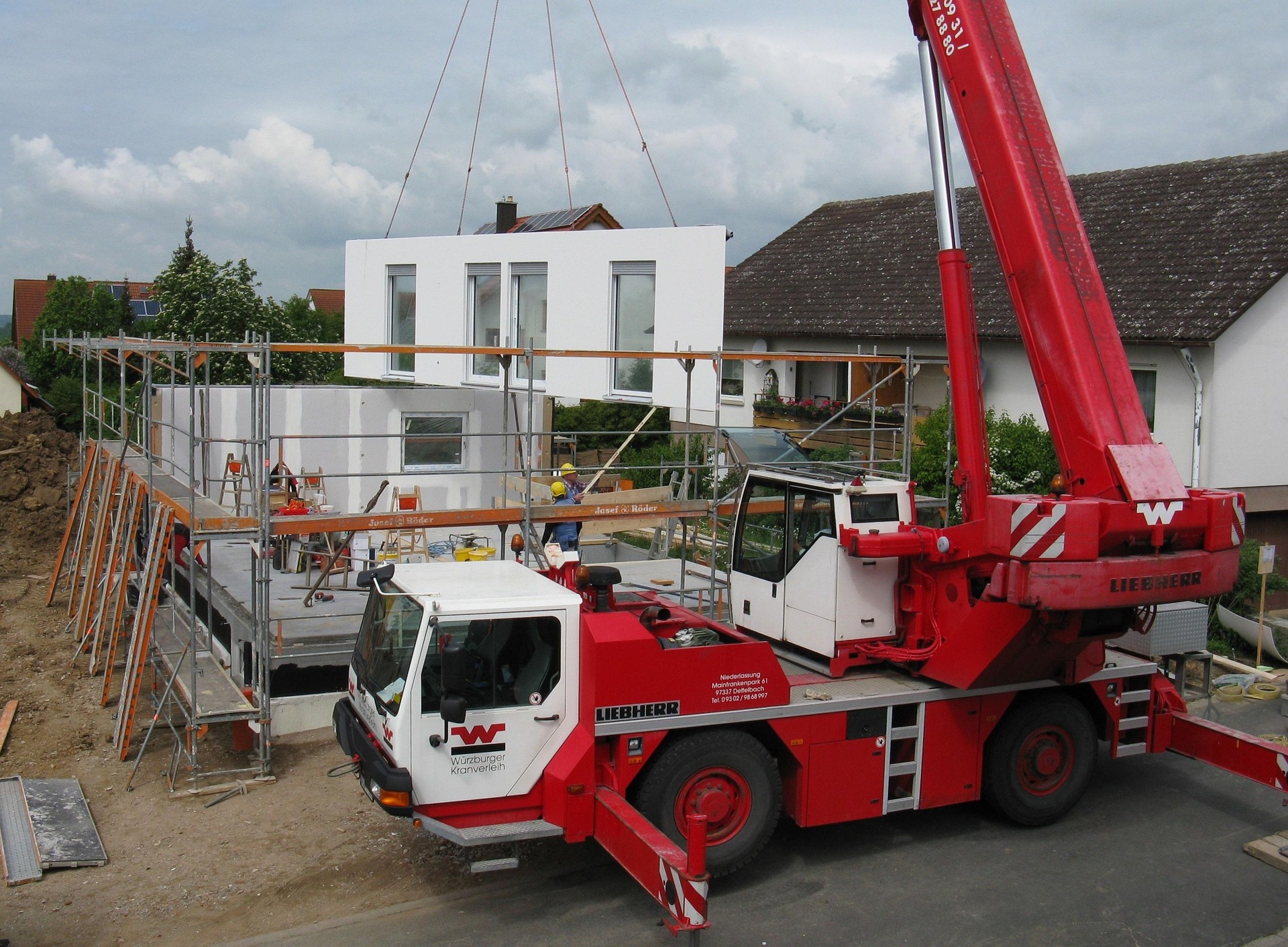
Prefabricated houses have become one of the most attractive options for affordable and efficient living. As housing costs continue to rise, many homeowners are exploring prefab construction as a way to balance quality with budget. As explained on the ZeitundWert website, these homes are generally more affordable than traditional builds; the cost of building a prefabricated house still varies depending on size, design, materials, and location. Understanding what to expect helps buyers plan effectively and avoid unexpected financial challenges.
Initial Purchase and Manufacturing Costs
The first cost consideration is the base price of the prefabricated unit itself. Depending on the size and layout, a prefab home can range from a small, compact design to a large, multi-bedroom family house. Prices often start lower than traditional builds because components are mass-produced in factories, where economies of scale reduce labor and material expenses. Buyers can usually choose from standard models or customize their design, which can raise the overall price but provides greater flexibility.
Land and Site Preparation

Beyond the house itself, buyers must factor in the cost of land and site preparation. Purchasing land, securing permits, and preparing the foundation are essential steps before the home is delivered and assembled. These costs can vary widely depending on the location, soil type, and accessibility of the building site. Preparing utilities such as water, electricity, and sewage connections also adds to the budget and should not be overlooked.
Transportation and Assembly
Another expense involves transporting the prefab modules from the factory to the building site. Shipping fees depend on distance, size, and complexity of the delivery. Once on-site, skilled workers are required to assemble the structure, connect utilities, and finish interior work. While this process is faster than traditional construction, it still involves labor costs, which should be included in the financial plan.
Customization and Upgrades

One of the appealing aspects of prefabricated houses is the ability to customize. However, upgrades such as premium flooring, high-end appliances, or eco-friendly features like solar panels and advanced insulation can significantly raise costs. Buyers should weigh the benefits of customization against their budget, ensuring that personal preferences align with affordability goals.
Long-Term Value and Savings
Although the upfront expenses may seem substantial, prefabricated homes often deliver long-term financial benefits. Their energy-efficient designs help reduce utility bills, while durable construction lowers maintenance costs. Additionally, the shorter construction timeline reduces interest payments for those financing their homes. Over time, these savings can offset initial investments and make prefab housing a cost-effective choice.
The cost of building a prefabricated house extends beyond the price of the home itself, encompassing land, preparation, transportation, and customization. While expenses vary based on individual choices and circumstances, prefab homes remain a more affordable and efficient alternative to traditional construction. By understanding all aspects of the cost, buyers can better plan their investment and enjoy the financial and lifestyle advantages that come with modern prefabricated living.…
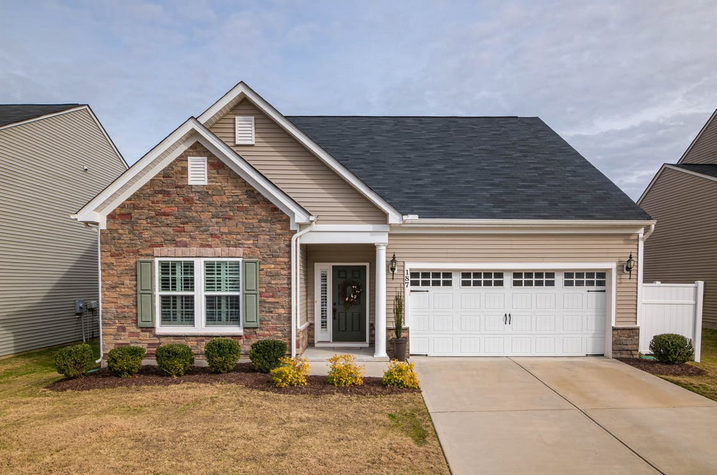
 Another vital thing you need in your new home is a water filtration system. This will help remove any impurities from your water, making it safer and healthier to drink. According to the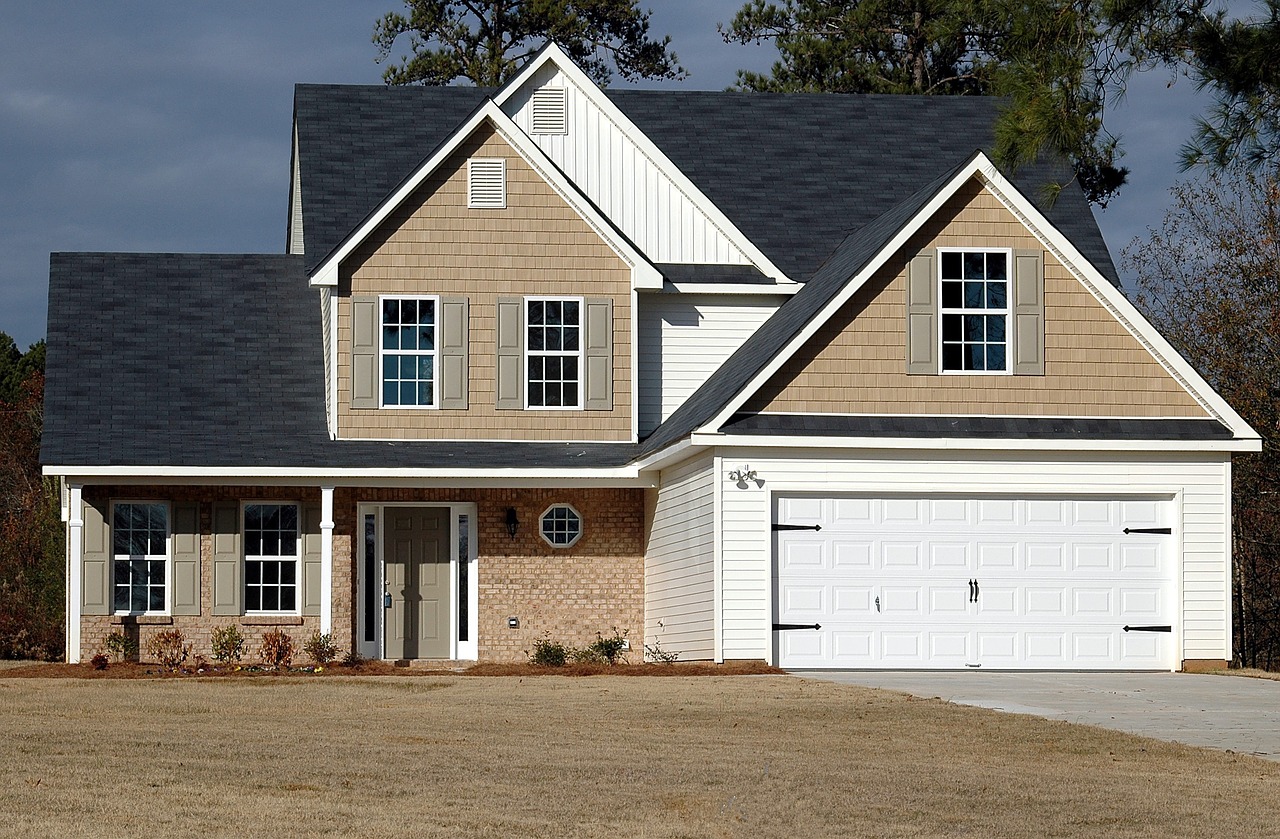
 When it comes time to sell, one of the best things you can do is upgrade your finishes. If you have outdated materials or features in your home, buyers will be less likely to offer them. By upgrading to more modern and popular finishes, you’ll make your home more appealing to potential buyers. Some good examples of high-demand finishes are granite countertops, stainless steel appliances, and hardwood floors.
 One of the quickest and easiest ways to increase the value of your home is by giving it a fresh coat of paint. This will cover up any rough spots or blemishes that may be visible, and it can make your home look much more appealing to buyers. If you’re thinking about painting your home, choose popular colors right now. You can also mimic the style of other homes in your neighborhood to make your house look more modern and put together.…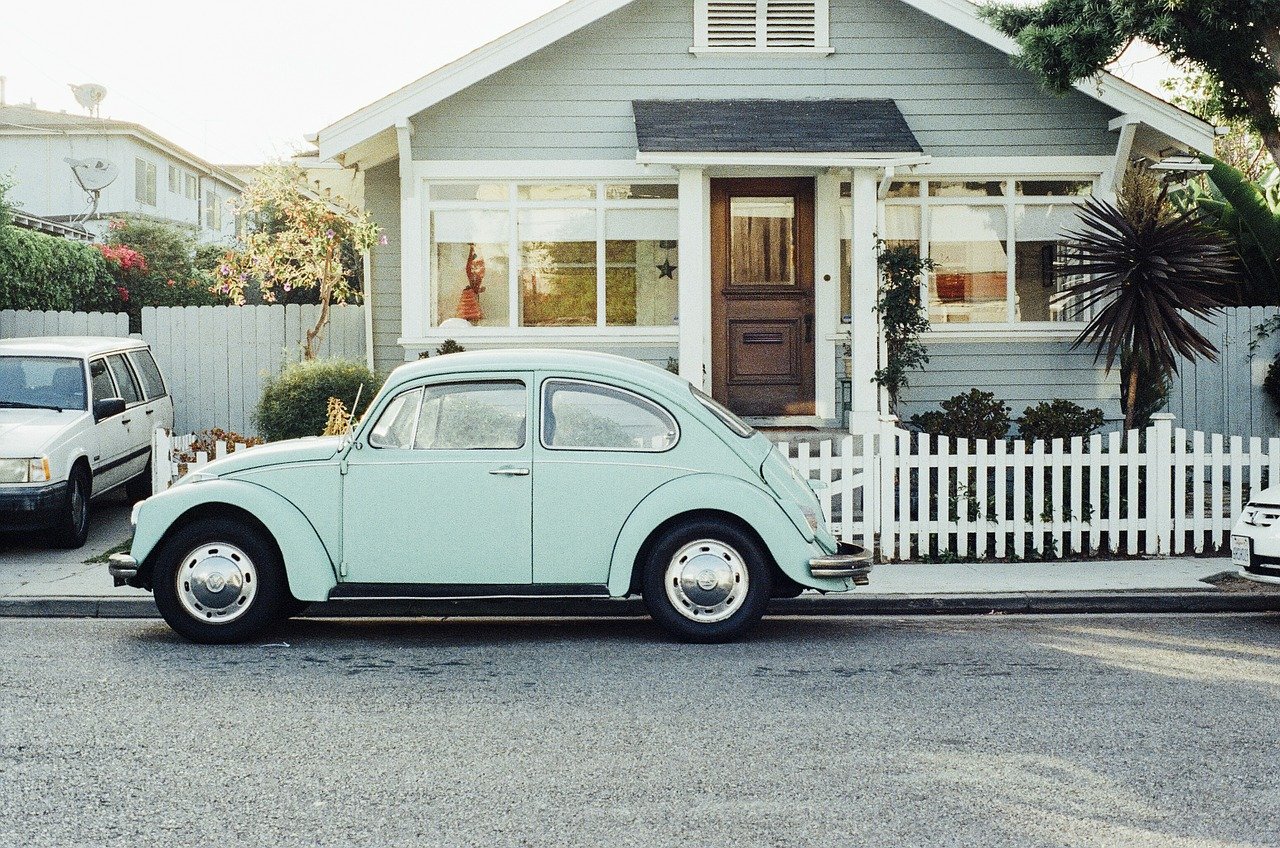
 If you want to sell your house quickly, then you need to ensure that it is in the best possible shape before putting it on the market. Repairs and updates are great ways of ensuring success! You will have a much better chance of selling your house quickly if it is clean, clutter-free, and staged appropriately. Make sure you de-clutter before putting your home on the market and take care of any necessary repairs!
 If you have a property and need money, then selling it quickly is the best option because the longer it sits there with no one buying it, the more trouble you could be in! In order to avoid any problems when trying to sell an empty home or vacant land, you should go with the cash deal.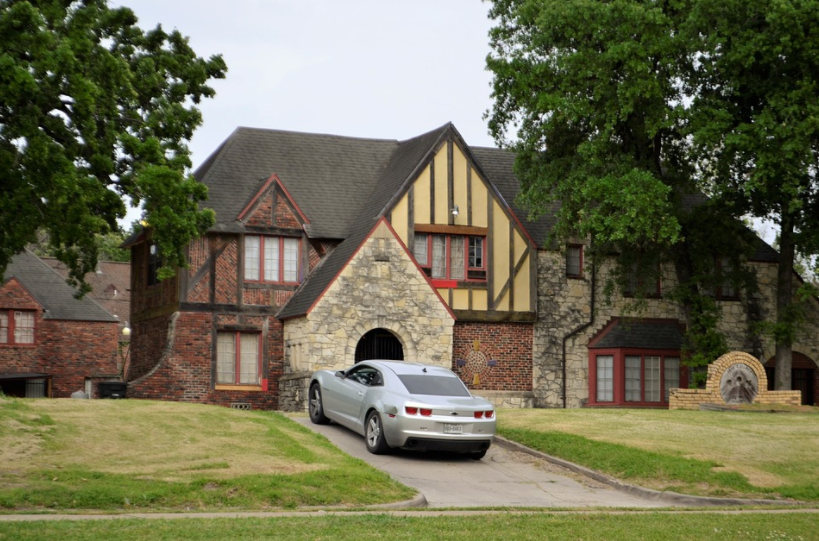

 Many people make snap decisions about their home after only one look. It is important to feel at home. Make sure you return to your prospective home at least once more, preferably both in daylight and at night. It is possible to see a property from the dark and have all kinds of problems.