The Cost of Building a Prefabricated House: What to Expect

Prefabricated houses have become one of the most attractive options for affordable and efficient living. As housing costs continue to rise, many homeowners are exploring prefab construction as a way to balance quality with budget. As explained on the ZeitundWert website, these homes are generally more affordable than traditional builds; the cost of building a prefabricated house still varies depending on size, design, materials, and location. Understanding what to expect helps buyers plan effectively and avoid unexpected financial challenges.

Initial Purchase and Manufacturing Costs

The first cost consideration is the base price of the prefabricated unit itself. Depending on the size and layout, a prefab home can range from a small, compact design to a large, multi-bedroom family house. Prices often start lower than traditional builds because components are mass-produced in factories, where economies of scale reduce labor and material expenses. Buyers can usually choose from standard models or customize their design, which can raise the overall price but provides greater flexibility.

Land and Site Preparation

excavator

Beyond the house itself, buyers must factor in the cost of land and site preparation. Purchasing land, securing permits, and preparing the foundation are essential steps before the home is delivered and assembled. These costs can vary widely depending on the location, soil type, and accessibility of the building site. Preparing utilities such as water, electricity, and sewage connections also adds to the budget and should not be overlooked.

Transportation and Assembly

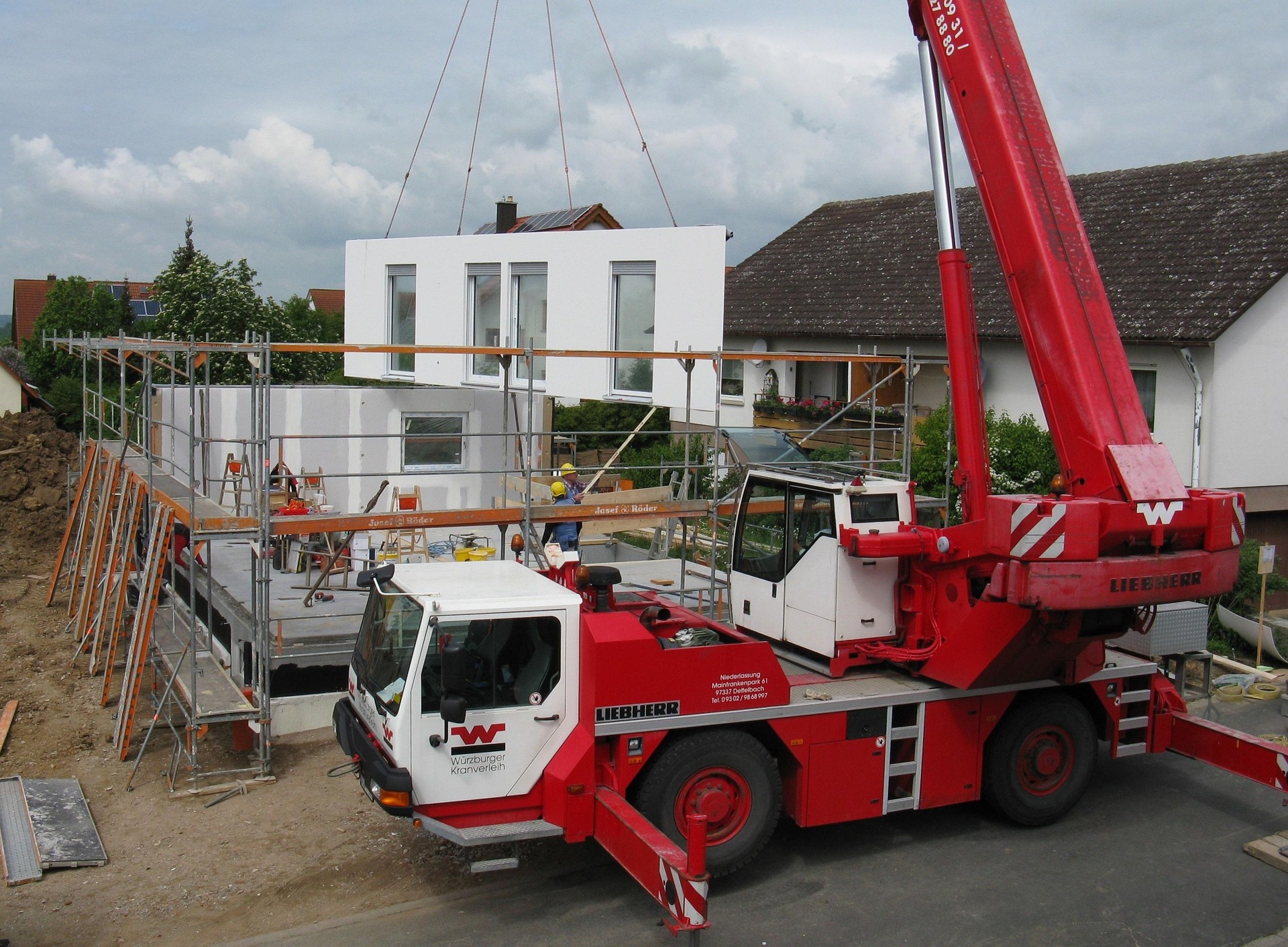
Another expense involves transporting the prefab modules from the factory to the building site. Shipping fees depend on distance, size, and complexity of the delivery. Once on-site, skilled workers are required to assemble the structure, connect utilities, and finish interior work. While this process is faster than traditional construction, it still involves labor costs, which should be included in the financial plan.

Customization and Upgrades

house

One of the appealing aspects of prefabricated houses is the ability to customize. However, upgrades such as premium flooring, high-end appliances, or eco-friendly features like solar panels and advanced insulation can significantly raise costs. Buyers should weigh the benefits of customization against their budget, ensuring that personal preferences align with affordability goals.

Long-Term Value and Savings

Although the upfront expenses may seem substantial, prefabricated homes often deliver long-term financial benefits. Their energy-efficient designs help reduce utility bills, while durable construction lowers maintenance costs. Additionally, the shorter construction timeline reduces interest payments for those financing their homes. Over time, these savings can offset initial investments and make prefab housing a cost-effective choice.

The cost of building a prefabricated house extends beyond the price of the home itself, encompassing land, preparation, transportation, and customization. While expenses vary based on individual choices and circumstances, prefab homes remain a more affordable and efficient alternative to traditional construction. By understanding all aspects of the cost, buyers can better plan their investment and enjoy the financial and lifestyle advantages that come with modern prefabricated living.…
Off-Grid Living in a Prefabricated Home: How to Create a Self-Sufficient Lifestyle

Imagine living in a home where you are completely self-sufficient, relying on nature’s resources and modern technology to meet all your needs. Off-grid living in a prefabricated home can turn this dream into a reality. According to houzz, combining the efficiency and convenience of prefab homes with the freedom and sustainability of off-grid living offers a unique lifestyle choice. In this article, we’ll explore how to create a self-sufficient lifestyle in a prefabricated home and the steps you can take to make it happen.

Understanding Off-Grid Living

Off-grid living means living independently from public utilities. It involves generating your own power, collecting and managing your own water, and often growing your own food. This lifestyle emphasizes sustainability, self-reliance, and minimizing your environmental impact. When paired with a prefabricated home, which offers modern, efficient construction methods, off-grid living becomes a practical and achievable goal.

Understanding Off-Grid Living

Why Choose a Prefabricated Home for Off-Grid Living?

Prefabricated homes are an excellent choice for off-grid living for several reasons:

1. Efficient Construction

Prefabricated homes are built in sections or modules in a factory before being transported to the site. This efficient construction process means less waste and a faster build time, which is ideal for off-grid setups where traditional construction can be more challenging.

2. Modern Technology

Many prefabricated homes come with the latest in energy-efficient technology, which is crucial for off-grid living. Features like high-performance insulation, energy-efficient windows, and pre-installed solar panel systems can make the transition to an off-grid lifestyle smoother.

3. Customization

Prefab homes offer a range of customizable options that can be tailored to suit off-grid needs. You can select features that align with sustainable living practices, such as rainwater collection systems or composting toilets.

Steps to Create a Self-Sufficient Off-Grid Lifestyle

Power Your Home

Generating your own power is a cornerstone of off-grid living. Here are some common methods:

  • Solar Panels: Install solar panels to capture sunlight and convert it into electricity. Modern solar technology has made it easier than ever to power your home with renewable energy.
  • Wind Turbines: If you live in a windy area, a wind turbine can complement your solar system and provide additional power.
  • Backup Generators: Consider a backup generator for times when solar or wind power might be insufficient, especially during cloudy days or calm periods.

Manage Water Resources

Water management is crucial for off-grid living. Here’s how to ensure a steady supply:

  • Rainwater Collection: Install rain barrels or a larger rainwater collection system to capture and store rainwater. This water can be used for drinking, cooking, and irrigation.
  • Well water: If your property has access to groundwater, drilling a well can provide a reliable water source.
  • Water Filtration: Invest in a high-quality water filtration system to ensure your water is clean and safe for consumption.

Create a Sustainable Waste Management System

Handling waste responsibly is key to maintaining a self-sufficient lifestyle:

  • Composting Toilets: These toilets break down waste into compost, which can be used as a natural fertilizer for your garden.
  • Greywater Systems: Recycle greywater (from sinks and showers) for irrigation and other non-potable uses. Ensure your system is designed to handle your household.

Grow Your Own Food

Growing your own food can reduce your reliance on external supplies and provide fresh, healthy produce:

  • Garden Space: Allocate space for a vegetable garden, herbs, and fruit trees. Raised beds or container gardening can be great options if you have limited space.
  • Greenhouses: A greenhouse can extend your growing season and protect plants from harsh weather conditions.
  • Aquaponics or Hydroponics: These systems allow you to grow plants using nutrient-rich Water, which can be especially useful if you have limited soil.

house

Benefits of Off-Grid Living in a Prefabricated Home

Choosing to live off-grid in a prefabricated home offers several benefits:

  1. Reduced Environmental Impact: By generating your own power, managing waste responsibly, and growing your own food, you reduce your reliance on external resources and lower your carbon footprint.
  2. Increased Self-Sufficiency: Off-grid living fosters a sense of independence and self-reliance. You’ll have more control over your resources and daily life, leading to greater personal satisfaction.
  3. Cost Savings: While the initial setup for off-grid systems can be an investment, over time, you’llyou’llmoney on utility bills and maintenance costs.