
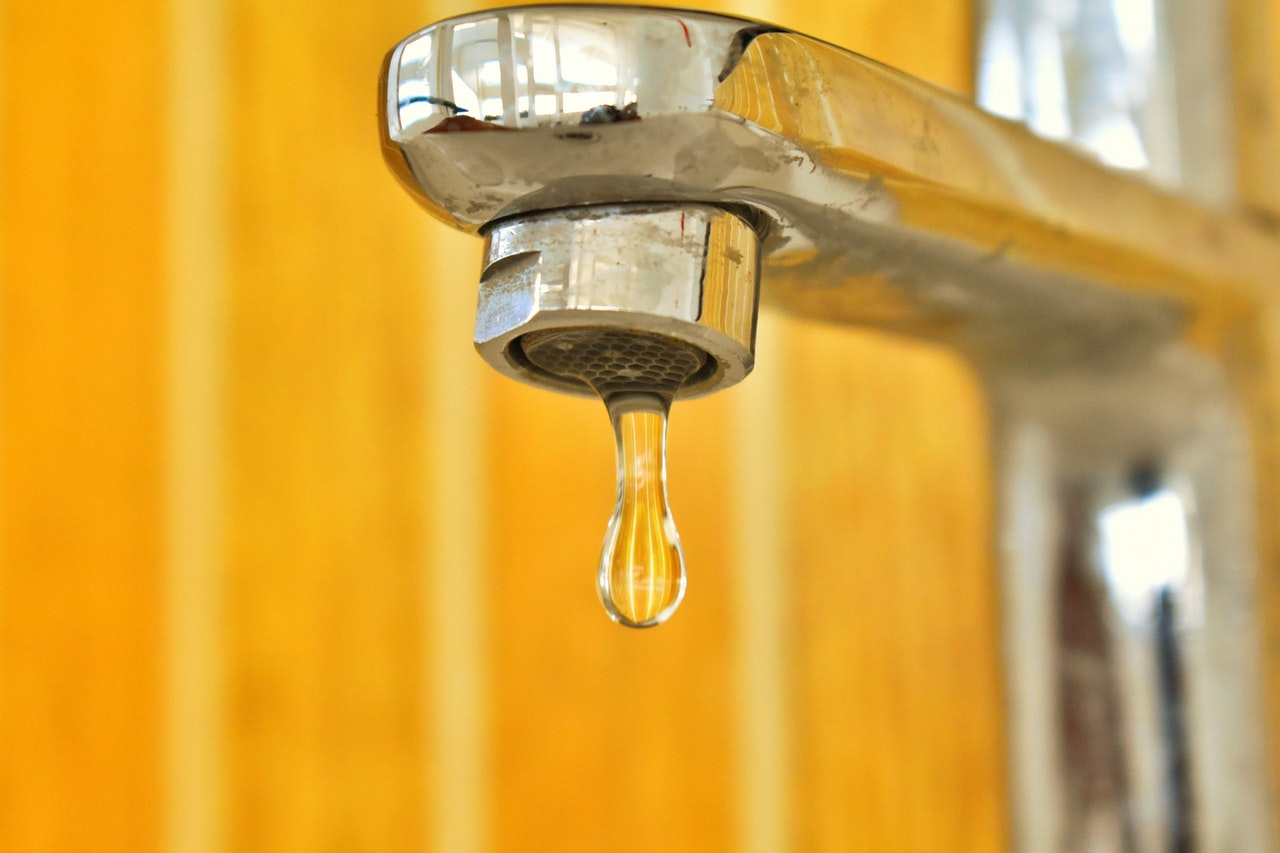
Like most homeowners, you probably don’t think about your water until there’s a problem. And if you’ve been dealing with hard water problems, then you know just how big of an issue it can be. Hard water can cause various problems, such as scaling on your fixtures and appliances, cloudy or stained glassware, and dry skin. But don’t worry. You’ve got this issue under control by installing one of suitable types of home filtration systems. We’ll also show you just how you can manage hard water issues in your home. So, let’s get this done.
Vinegar and Lemons

One simplest and most effective way to remove hard water stains is with vinegar and lemons. Mix equal parts of each in a bowl and apply it to the affected area with a sponge. Let it sit for about an hour, then rinse it away with clean water.
You may need to scrub if the stains are particularly stubborn, but this method is usually enough to get the job done. Not only is it practical, but it’s also affordable and eco-friendly.
Lower Water Temperature
Another natural way to prevent hard water stains is to lower the temperature of your water heater. Water that’s too hot can cause mineral deposits to build up more quickly, so by turning it down to 120 degrees Fahrenheit, you can help prevent those pesky stains from appearing in the first place. If you’re unsure how to adjust your water heater’s temperature, consult your owner’s manual.
Rinse Aid
Rinse aid might be something you only use when doing the dishes, but it can be a helpful tool in preventing hard water stains. Rinse aid helps to break up the mineral deposits that can cause hard water stains. So by using it regularly, you can help keep your home free of these unsightly blemishes. Just be sure to follow the instructions on the bottle, as using too much can have the opposite effect.
Water Softener
Ultimately, installing a water softener is the best way to manage hard water issues in your home. A water softener works by removing the minerals that cause hard water, which can effectively eliminate the problem at its source. Not only will this help to keep your home free of stains, but it can also extend the life of your plumbing fixtures and appliances. If you’re looking for a long-term solution to your hard water problems, a water softener is the way to go. These are just a few ways to manage hard water issues in your home. Taking some preventive measures and being proactive about treating stains can keep your home looking its best. And with one of the best types of home filtration systems, you can rest assured that your water will be free of impurities.
…
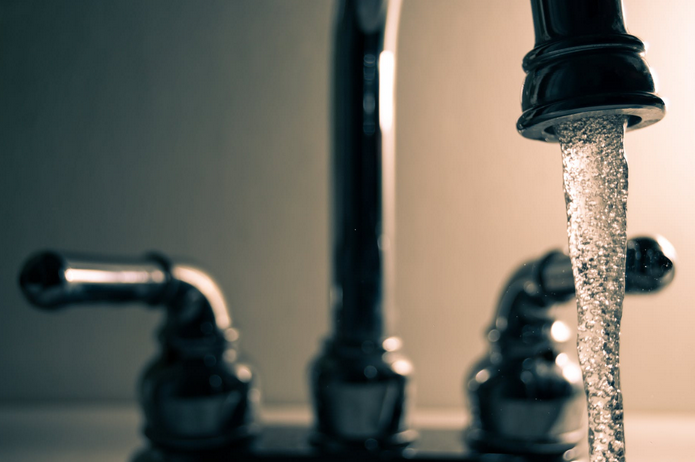
 The location of your water filter is an important consideration. If you have a pitcher-style filter, it needs to be near the faucet so you can quickly fill it up with water. If you have a whole-house system, the main unit will need to be installed somewhere near the water source.
 Price is always a consideration when it comes to filters. Some of the more expensive ones can be a little overwhelming, but remember that you get what you pay for. Cheaper filters may not last as long or filter out as many contaminants. It’s essential to do your research and find the best filter for your family’s needs.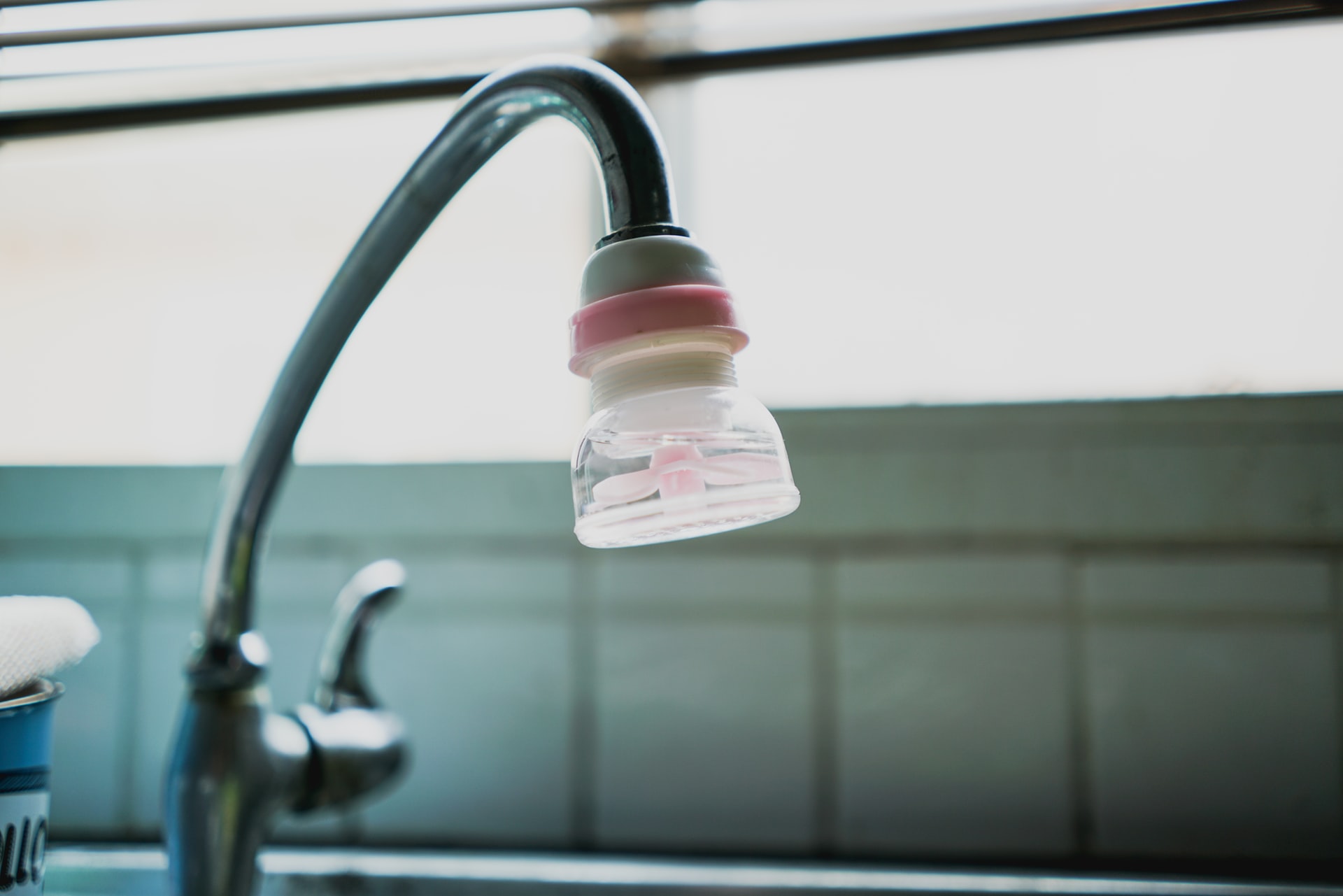
 Filtering impurities from water does not mean removing valuable minerals from the water. It makes no sense to filter out one type of contaminant and leave another. A magnificent water filter guarantees an almost pure and eventually filter impurities without realizing that the nutritional value of your water exceeds its nutritional value. Electronic water filters are a direct means to fight the water.
 There is more to consider in the cost of interest than the retail price. Top brands need routine cartridge replacement. Companies that offer the lowest retail value for their product may sometimes cost more than the cartridge’s justified replacement price. The cartridge backup can be constant if it is needed. The cost per use gallon of annual water revenue per 1000 gallons should be monitored.…