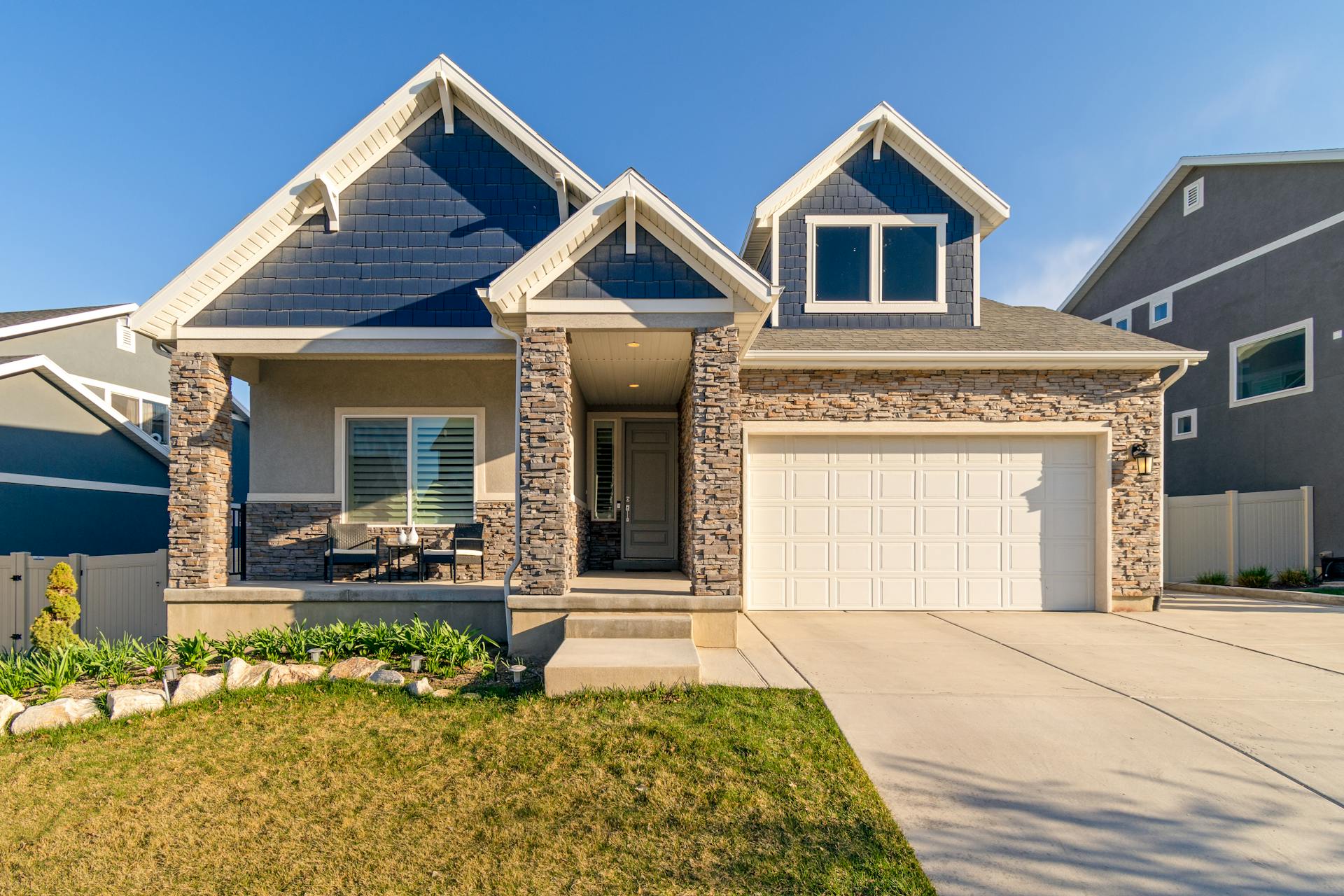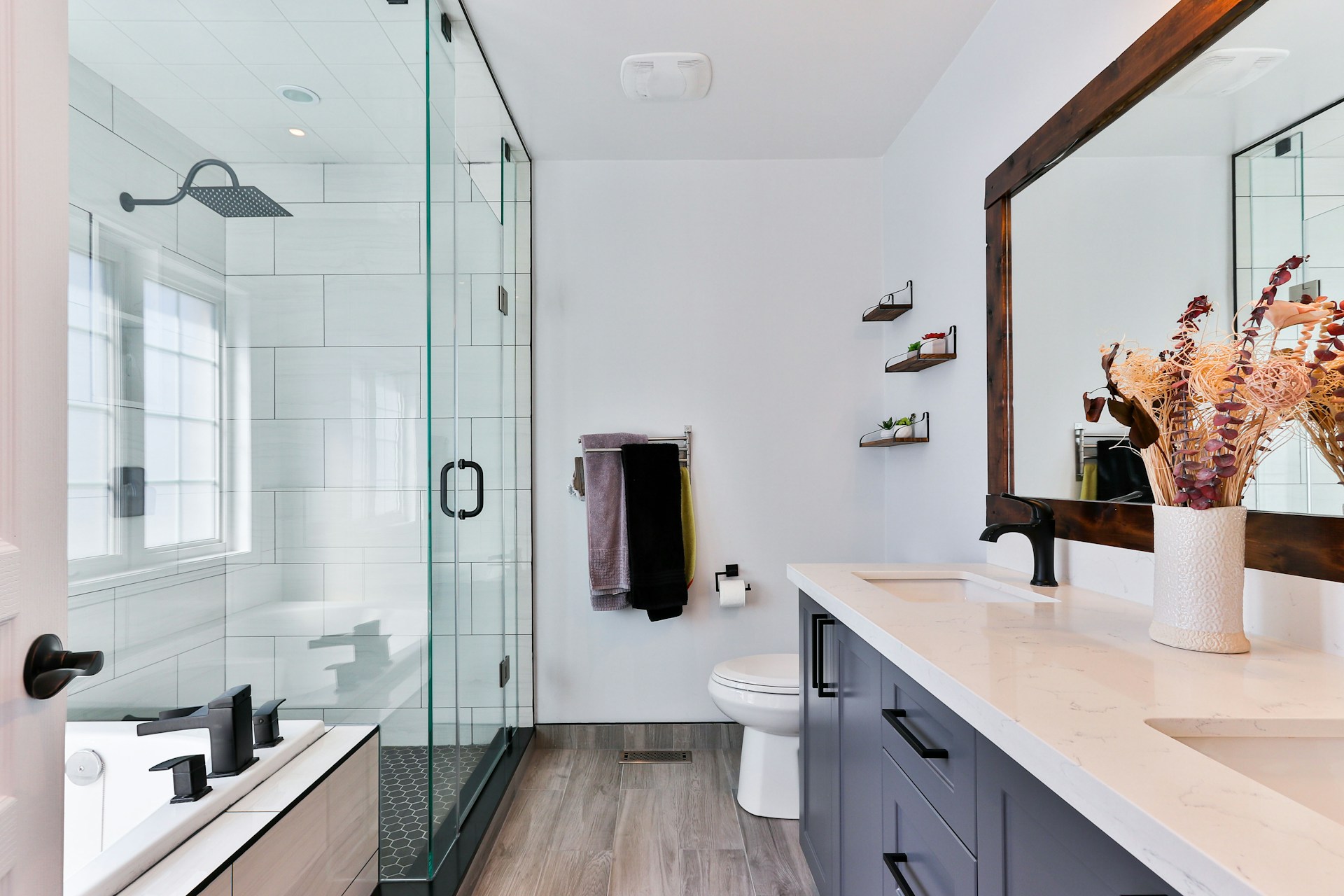
Prefab housing is transforming the way people think about building and owning a home, and modular construction is right at the heart of this change. Unlike traditional methods that can take months or even years, modular techniques streamline the process by creating sections of a home in a controlled factory environment before assembling them on-site. Platforms such as ratgeber-eigentumswohnung.de/einliegerwohnung-im-fertighaus/ shed light on how this approach not only saves time but also ensures consistent quality and cost efficiency. With growing interest in sustainability and affordability, modular construction is proving to be a driving force in the evolution of prefab housing.
Faster Construction with Predictable Results
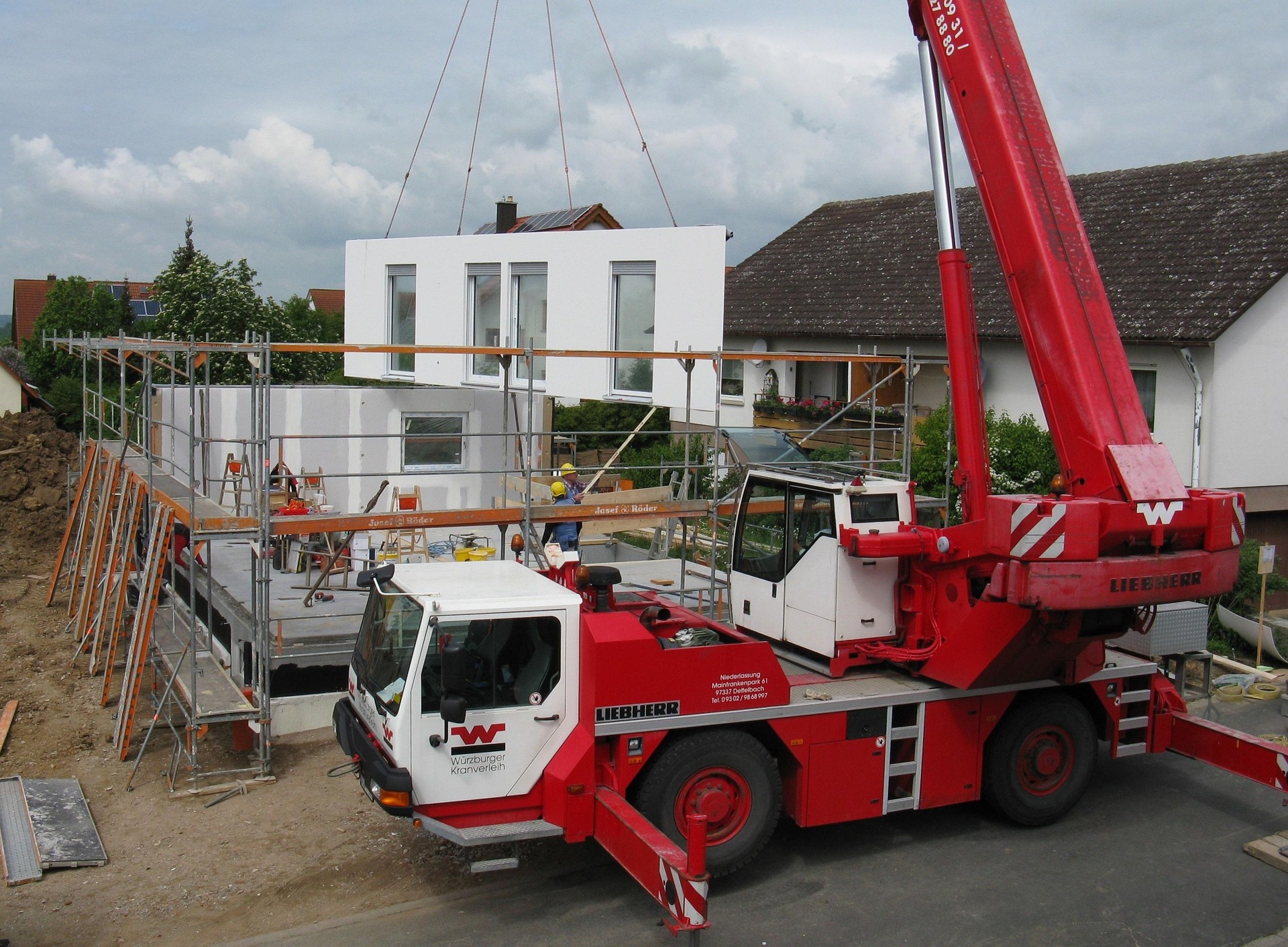
 One of modular construction’s biggest strengths is its speed. Since modules are built simultaneously while site preparation happens, projects can finish in half the time of a conventional build. Imagine skipping months of unpredictable weather delays or the endless waiting for subcontractors to show up. By the time the modules arrive, the foundation is ready, and it can be assembled in days rather than months. This faster timeline saves funds and allows homeowners to move in sooner, which is a big plus in today’s housing market.
Consistent Quality Through Controlled Production
Because modules are built in factory environments, quality control is far more consistent than on an open job site. Each piece is crafted under strict standards, reducing errors common in traditional construction. Think of it like baking in a professional kitchen versus trying to whip something up during a backyard picnic—conditions matter. This level of precision helps ensure prefab homes not only look sharp but also meet building codes reliably. The consistency is especially appealing to buyers who worry about structural integrity or hidden flaws.
Flexible Designs with Room to Grow

Modular doesn’t mean monotonous. Today’s modular prefab homes are surprisingly flexible, with layouts ranging from sleek single-family homes to multi-level townhouses. Modules can be added, removed, or reconfigured over time, giving homeowners the freedom to adapt as their needs change. Families can expand their living space by adding new sections, while downsizers can streamline without starting from scratch. This adaptability makes modular construction a long-term investment rather than a short-term fix.
Eco-Friendly and Cost-Saving Advantages
Beyond speed and flexibility, modular construction also emphasizes sustainability. Building in controlled environments reduces material waste significantly, while energy-efficient designs lower long-term operating costs. Many modular homes now integrate solar panels, high-performance insulation, and smart systems to cut down utility bills. For environmentally conscious buyers, this construction style offers both financial savings and the satisfaction of reducing their carbon footprint. It’s a win-win that strengthens the appeal of prefab housing as a modern solution.
Modular construction has become the backbone of prefab housing, combining efficiency, quality, flexibility, and eco-friendly practices into a compelling package. Far from being a shortcut, it’s a smarter way to build homes that meet today’s demands without dragging out timelines or inflating costs. For buyers and investors alike, modular construction proves that prefab homes are not just affordable—they’re innovative, stylish, and built to last.