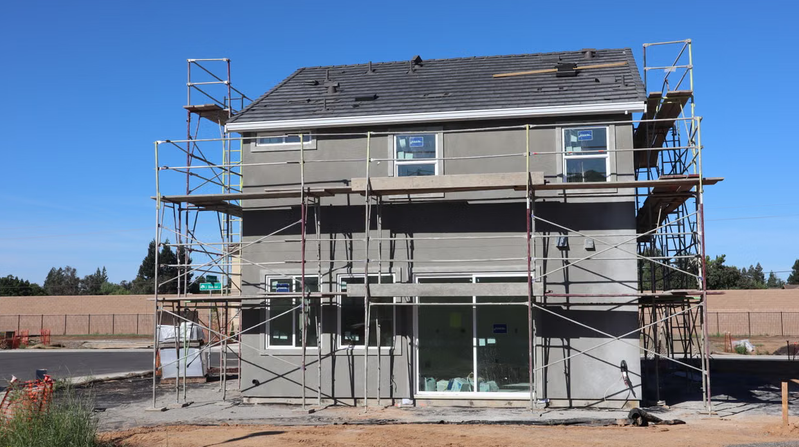
Construction projects require careful coordination between planning, labor, materials, and scheduling. Every phase depends on the successful completion of the previous one, making time management an important part of the building process. One approach that has become increasingly common is the use of prefabricated components. These are building elements manufactured in controlled facilities before being transported to the construction site for installation. Wall panels, roof trusses, floor systems, staircases, and structural frames are common examples. If you click and read https://deavita.com/gartengestaltung-pflege/haus-garten/baukosten-schock-2026-so-planen-sie-ihr-traumhaus-in-deutschland-clever-budgettreu-1920650.html, you will know that careful construction planning and efficient building methods play an important role in keeping projects on schedule and within budget. Because much of the work is completed before delivery, on-site construction often moves more efficiently. Understanding how prefabricated components improve construction timelines helps explain why this building method continues gaining attention across residential and commercial projects.
Reducing on-Site Construction Time
Traditional construction involves completing nearly every task at the building site. Materials arrive separately, and crews assemble each component from the ground up. This process often requires additional time because every stage depends on weather, labor availability, and site conditions. Prefabricated components shorten this process considerably. Many structural elements arrive ready for installation, allowing construction teams to focus on assembly instead of fabrication. Wall sections can be positioned quickly, roof systems can be installed sooner, and structural framing progresses with fewer interruptions. Reducing on-site work allows projects to advance through major construction phases at a faster pace while maintaining organized scheduling.
Supporting Parallel Work Processes
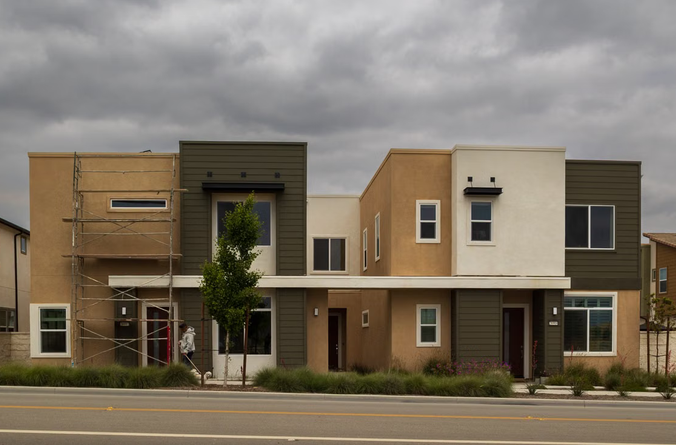
One advantage of prefabrication is that manufacturing and site preparation can happen at the same time. Instead of waiting for the building site to be fully prepared before producing structural components, both activities move forward simultaneously. While contractors complete excavation, grading, and foundation work, manufacturing facilities produce walls, beams, floor systems, or roof assemblies according to approved plans. Once the site is ready, completed components arrive for installation without significant delays. This parallel workflow helps shorten overall project duration because multiple phases progress together instead of one after another.
Improving Installation Efficiency
Construction efficiency depends on how smoothly different building systems fit together during assembly. Components produced under controlled manufacturing conditions are typically built according to precise measurements. When these components arrive on-site, installation becomes more straightforward because dimensions have already been verified during production. Construction crews spend less time making adjustments or correcting inconsistencies. Equipment operators position components according to the construction plan, allowing structural work to continue with fewer interruptions. Better installation efficiency supports steady project progress while simplifying coordination between different construction teams.
Limiting Weather-Related Delays
Weather often affects traditional construction because many building activities occur outdoors. Heavy rain, strong winds, excessive heat, or freezing temperatures may interrupt fabrication and installation work. Prefabricated components reduce part of this challenge because manufacturing takes place inside controlled facilities rather than exposed construction sites. Production continues regardless of outside weather while the project site experiences temporary delays. Once conditions improve, completed components are already available for installation. Although weather can still influence certain site activities, prefabrication reduces the amount of outdoor work required during each construction phase.
Supporting Better Project Coordination
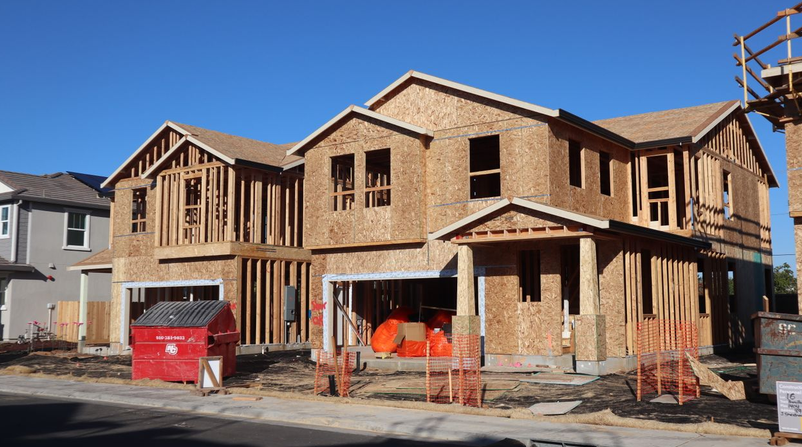
Construction projects involve architects, engineers, contractors, suppliers, and subcontractors working together toward a common goal. Strong coordination helps every phase move according to schedule. Prefabricated construction encourages detailed planning before manufacturing begins. Design decisions, measurements, and engineering reviews are completed earlier because production depends on finalized information. This preparation reduces uncertainty during installation while improving communication between project participants. Better coordination helps construction teams avoid scheduling conflicts that could otherwise slow progress throughout the building process.
Reducing Material Waste
Efficient construction also depends on responsible material management. Traditional building methods sometimes generate additional waste because cutting and fabrication occur directly at the construction site. Manufacturing facilities optimize production by using standardized processes that improve material utilization. Components are produced according to exact specifications, reducing unnecessary waste before they arrive on-site. Fewer leftover materials simplify cleanup while reducing the amount of disposal required during construction. Better resource management supports smoother operations without interrupting project schedules with unnecessary material handling.
Prefabricated components improve construction timelines by reducing on-site construction time, supporting parallel work processes, improving installation efficiency, limiting weather-related delays, supporting better project coordination, and reducing material waste. These advantages allow construction teams to complete projects more efficiently while maintaining organized workflows throughout every phase. Understanding how prefabricated components improve construction timelines demonstrates that modern construction continues evolving through better planning and manufacturing methods. By completing much of the fabrication before components reach the building site, contractors gain greater control over schedules while minimizing avoidable delays. As construction technology continues advancing, prefabrication will likely remain an important solution for improving project efficiency while delivering high-quality buildings within planned timelines.