
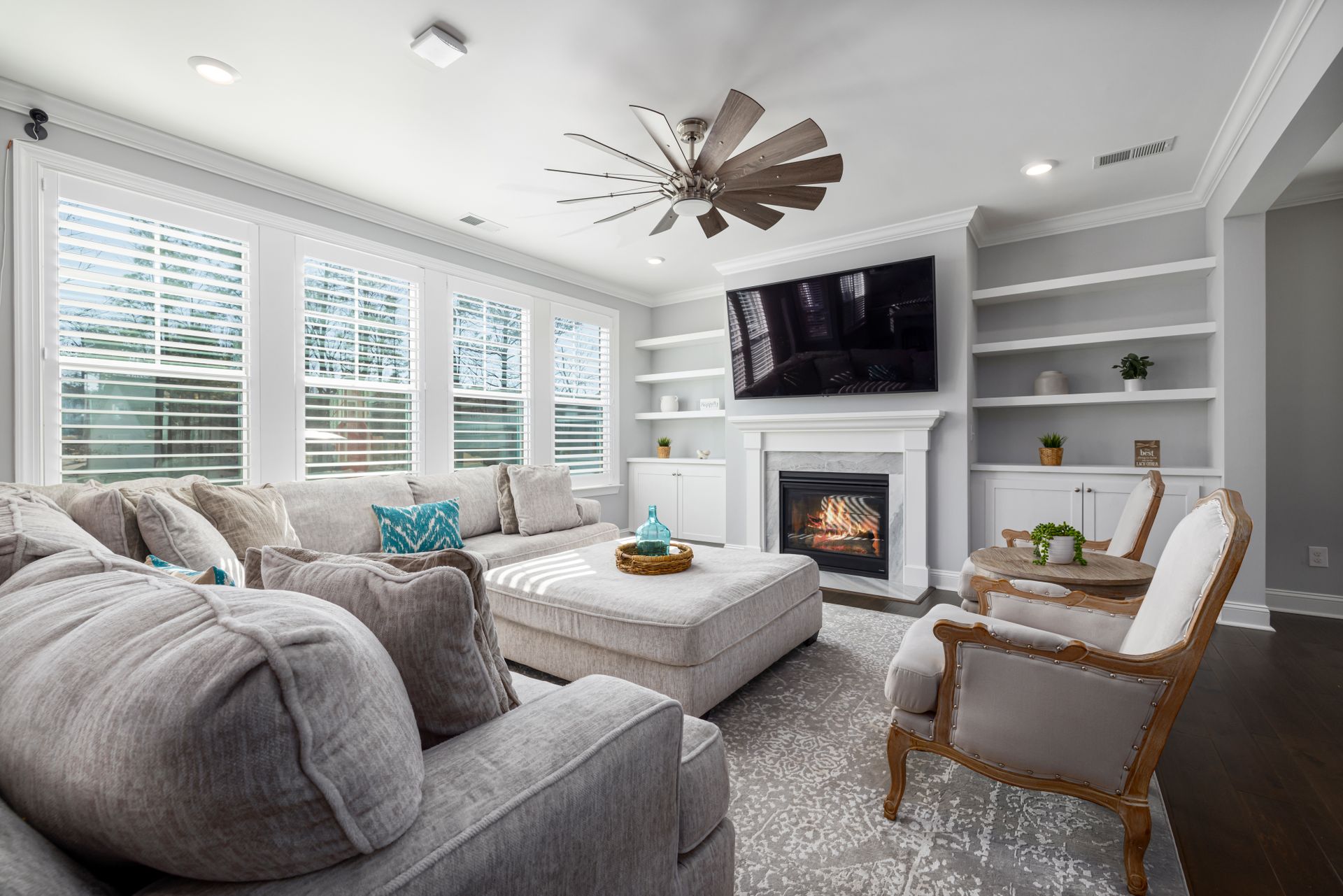
Have you ever walked into someone’s home during the middle of winter and wondered why it felt warm without blasting the heater? A recent feature on immoportal.com points to a simple answer that often hides behind the walls: good thermal insulation paired with smart building choices. See, it isn’t a luxury reserved for custom homes. It’s one of the biggest reasons some houses stay comfortable while others constantly battle the weather. But the biggest concern homeowners often have to deal with is whether they can design their home to stay comfortable all year. If you’re one of them, this post is for you.
Thermal Insulation Does More Than Keep Heat Inside
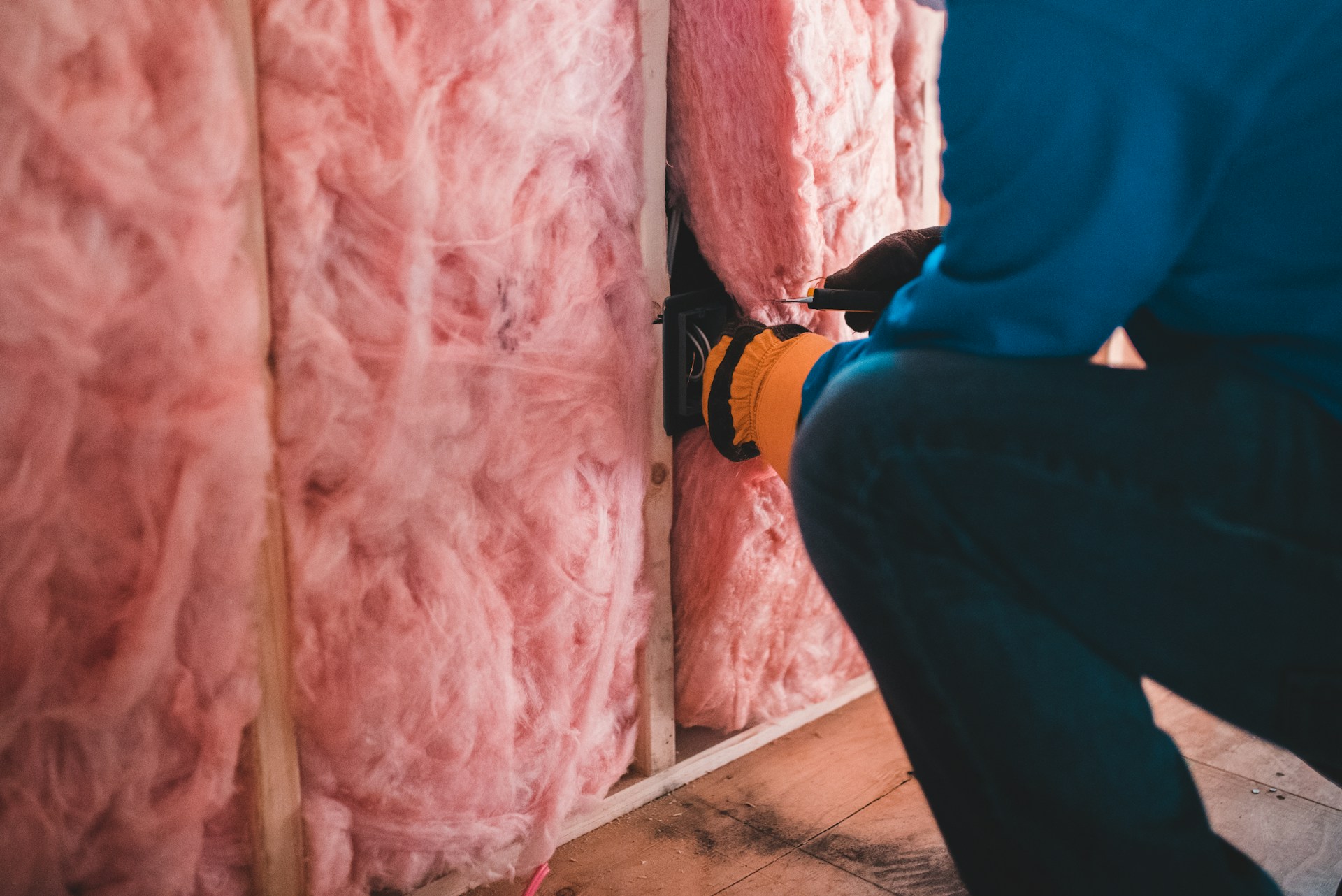
Many people think insulation only matters during cold weather. In reality, it slows the movement of heat in both directions, helping warm air stay indoors during winter while reducing unwanted heat during summer. That creates a more stable indoor temperature throughout the year. Imagine carrying a drink in an insulated bottle. Hot coffee stays hot, and iced water stays cold because outside temperatures struggle to affect what’s inside. Your home works the same way when it’s properly insulated. Instead of constantly fighting outdoor conditions, it holds onto comfort much longer.
Every Part of the Home Plays a Role
Walls usually get all the attention, but they’re only one piece of the puzzle. Roofs, ceilings, floors, windows, and doors all influence how easily heat escapes or enters a home. Even excellent wall insulation can’t fully compensate for a poorly insulated attic or drafty windows. Think of your house as a winter coat. A thick jacket won’t help much if you leave it unzipped or forget your gloves. Small gaps can have a surprisingly large impact on overall performance. That’s why sealing air leaks often goes hand in hand with improving insulation.
The Right Building Materials Make a Difference
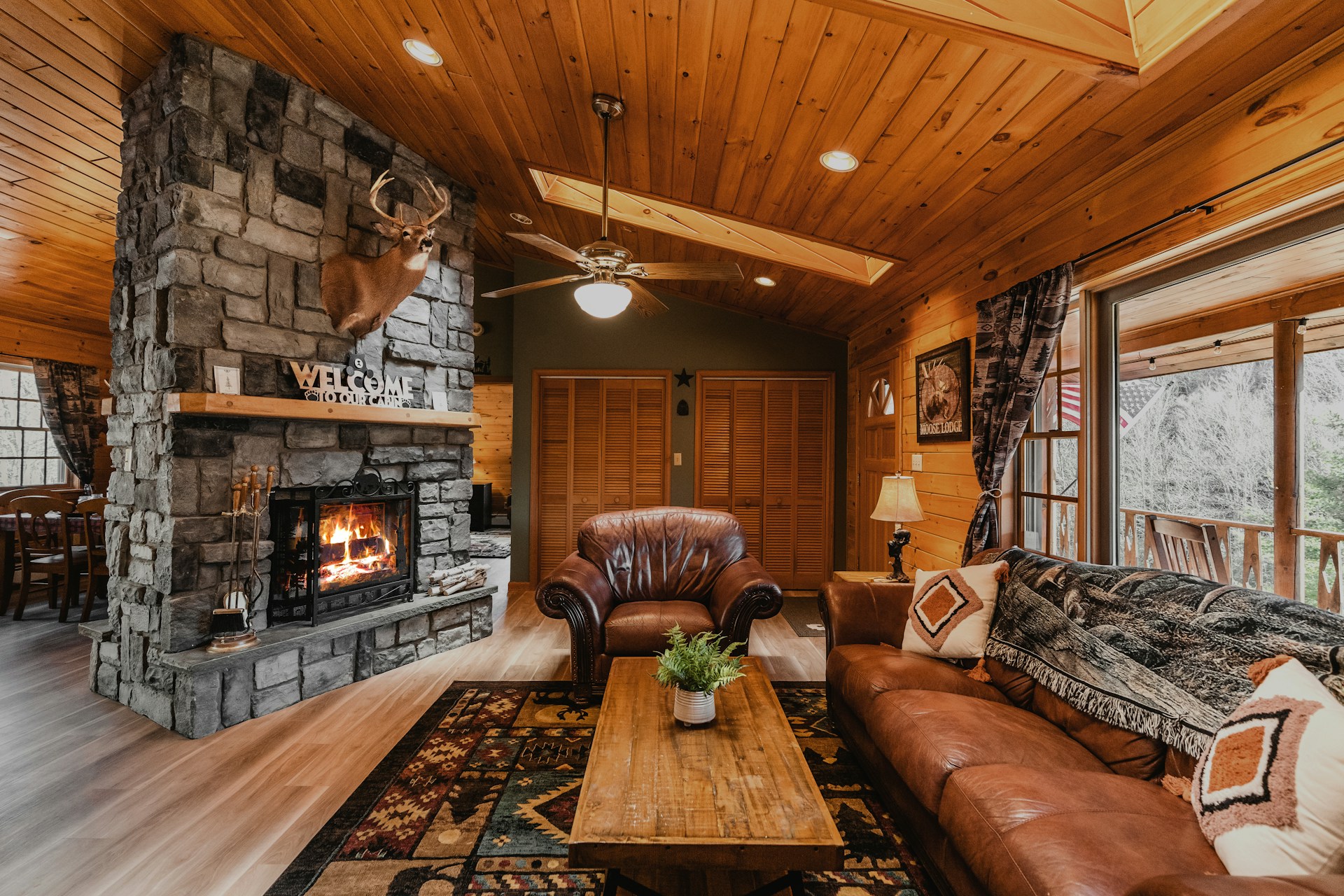
Some construction materials naturally help regulate indoor temperatures better than others. Timber, for example, slows heat transfer more effectively than materials like steel, making it a popular choice in energy-efficient construction. Combined with modern insulation systems, it creates homes that remain comfortable through changing seasons. That’s one reason timber continues gaining attention in sustainable homebuilding. Material choices also affect how a house feels day after day. Stable indoor temperatures reduce cold corners, overheated rooms, and sudden temperature swings. You spend less time adjusting the thermostat and more time enjoying your home.
Better Insulation Helps Lower Energy Costs
When less heat escapes, heating systems don’t need to run as often. During warmer months, indoor spaces stay cooler for longer, reducing the workload on air conditioning. Lower energy demand can translate into smaller utility bills over time. It’s one improvement that continues delivering value every season. There’s another benefit that people rarely think about. Heating and cooling equipment experiences less strain when it’s not constantly cycling on and off. That can contribute to a longer lifespan for your HVAC system while reducing maintenance needs. Saving energy often brings several other advantages along the way.
Perhaps that’s the real secret behind homes that feel comfortable all year. It’s rarely one impressive feature that makes the difference. Instead, it’s a collection of smart building choices working quietly behind the scenes. When thermal insulation becomes part of that plan, your home stays warmer in winter, cooler in summer, and far more enjoyable every day in between.…